 ⭐ ⭐ ⭐ ⭐ ⭐
The Fantasy Economy
Why women buy future versions of themselves—and why that may be healthier than you think.
Nobody buys lingerie.
They buy a feeling, a possibility, and a future version of themselves.
Economists like to imagine people as rational decision makers.
In theory, consumers carefully evaluate products, compare prices, weigh costs against benefits, and make logical purchasing decisions. It is a beautiful theory. It is also completely disconnected from how most human beings actually behave. If shopping were truly rational, luxury brands would not exist. Designer handbags would not exist. Sports cars would not exist. Expensive perfume would not exist. Neither would beautiful lingerie.
Human beings do not simply buy products. They buy stories. They buy emotions. They buy aspirations. Most importantly, they buy identities. Every purchase contains a hidden question: who does this allow me to become?
This is where the Fantasy Economy begins.
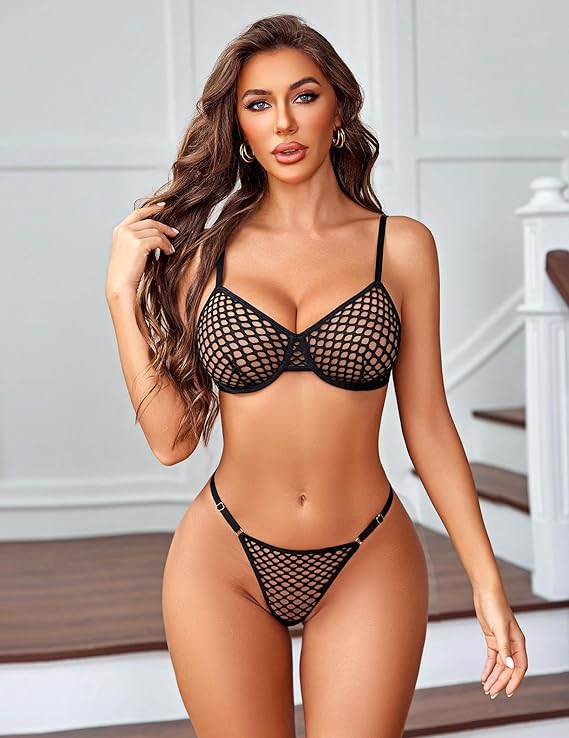
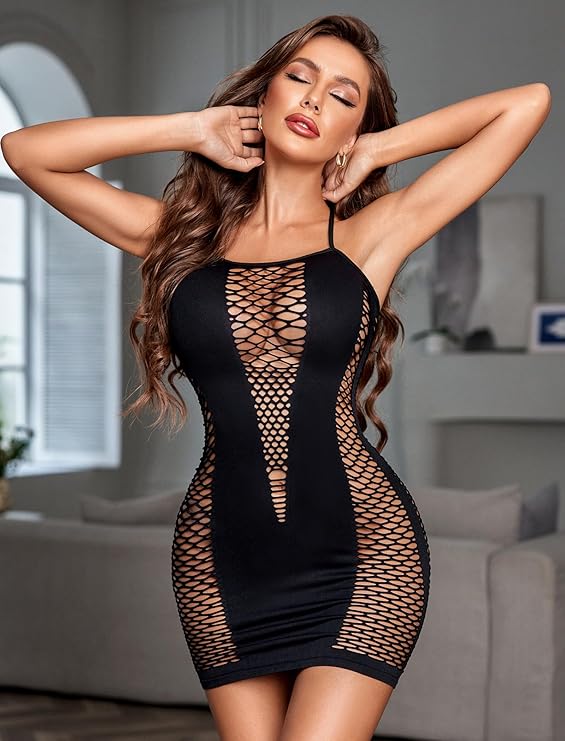
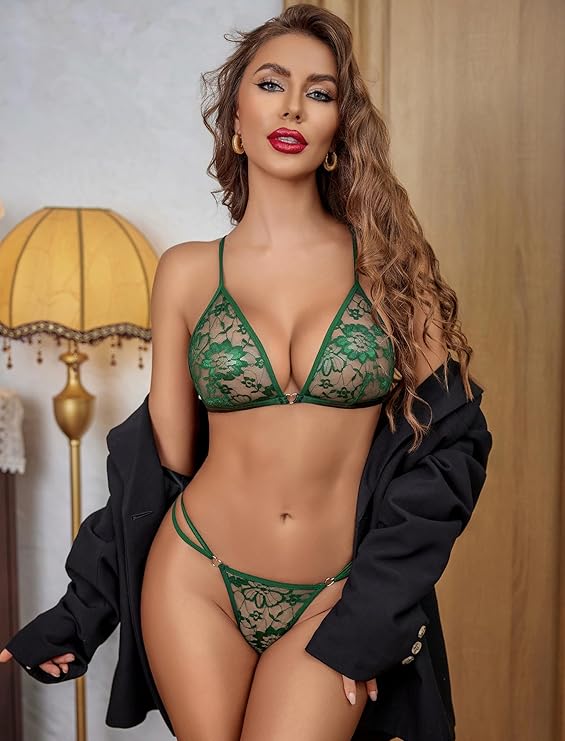
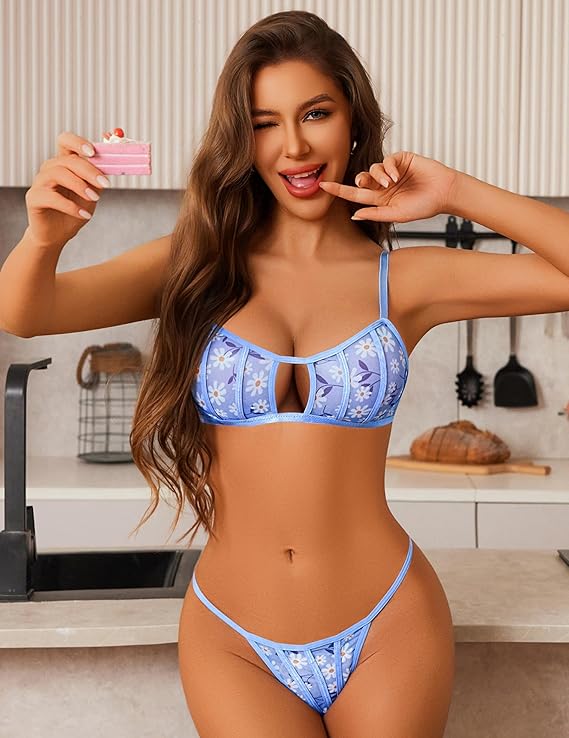
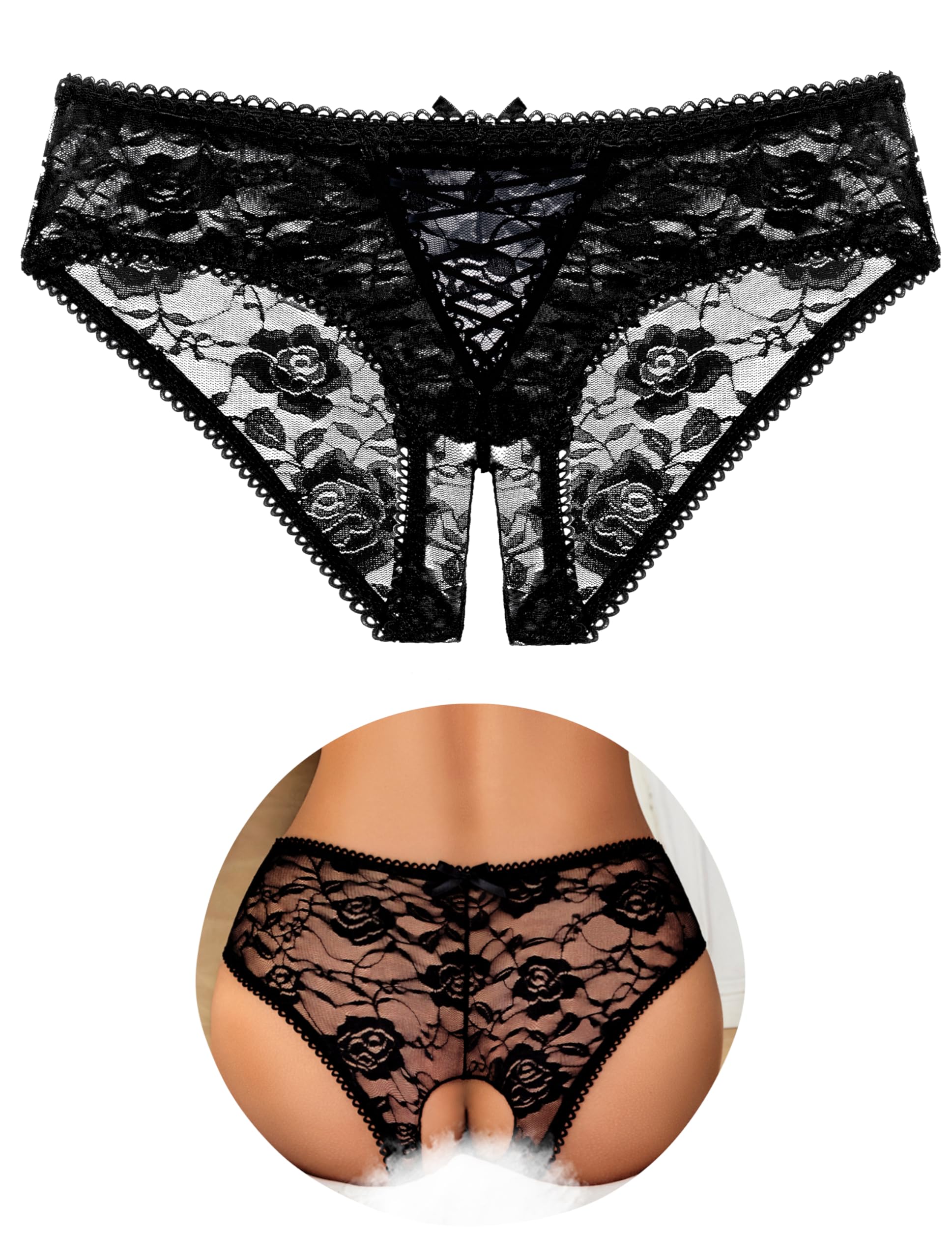
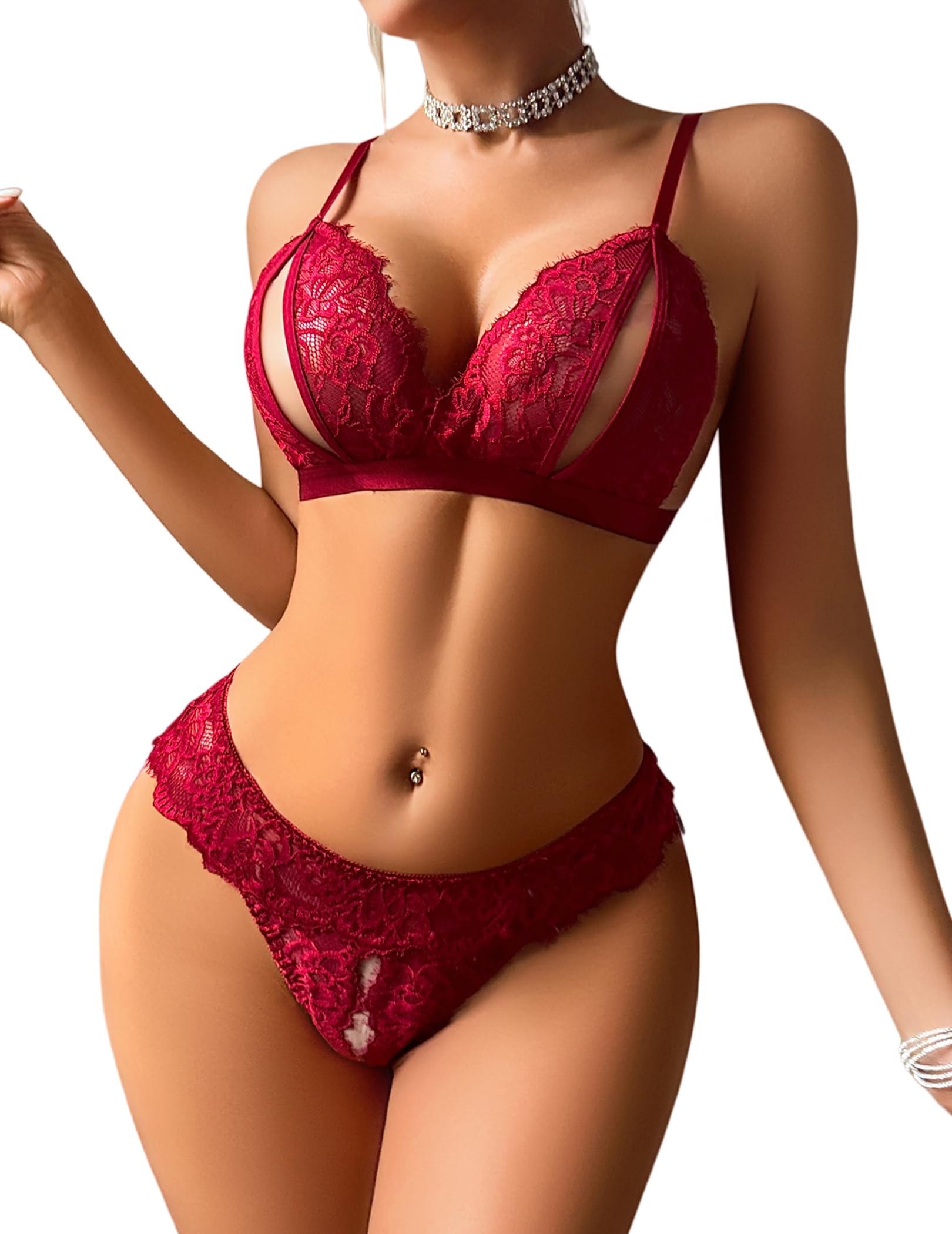
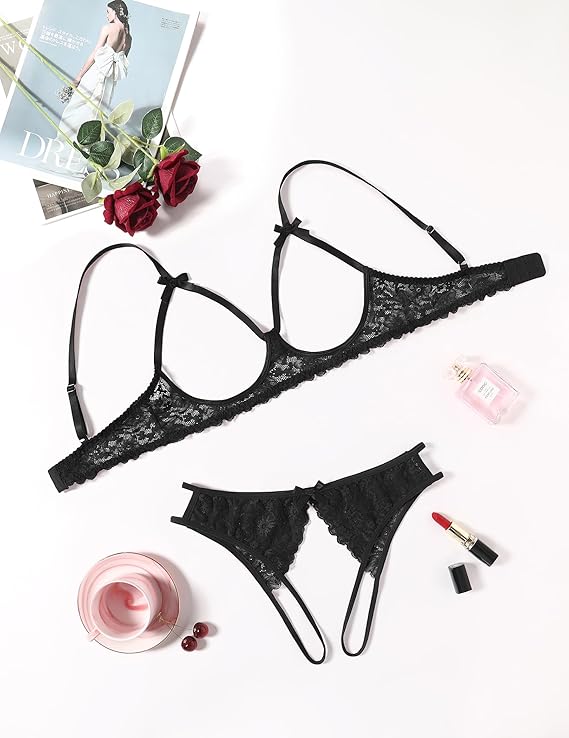
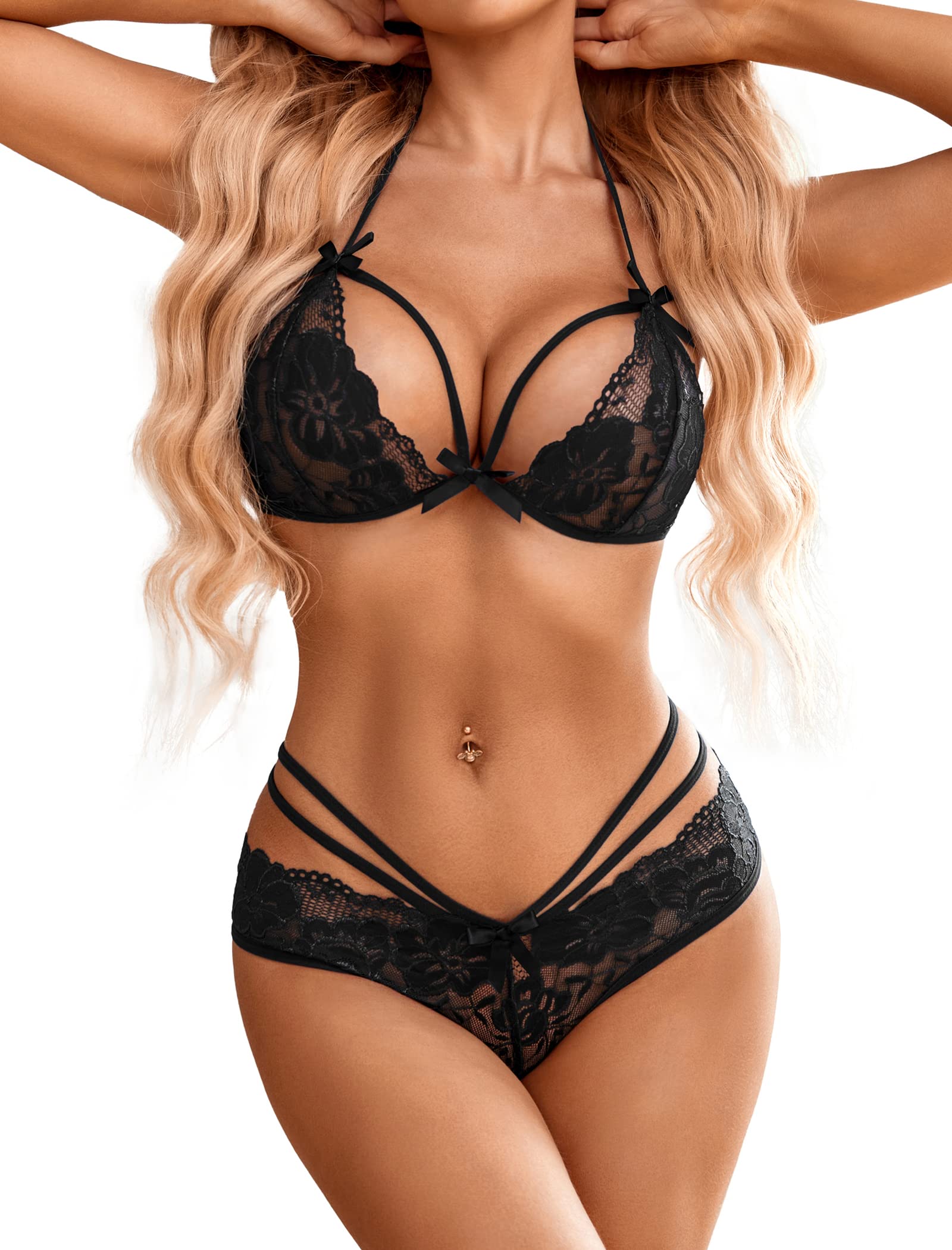
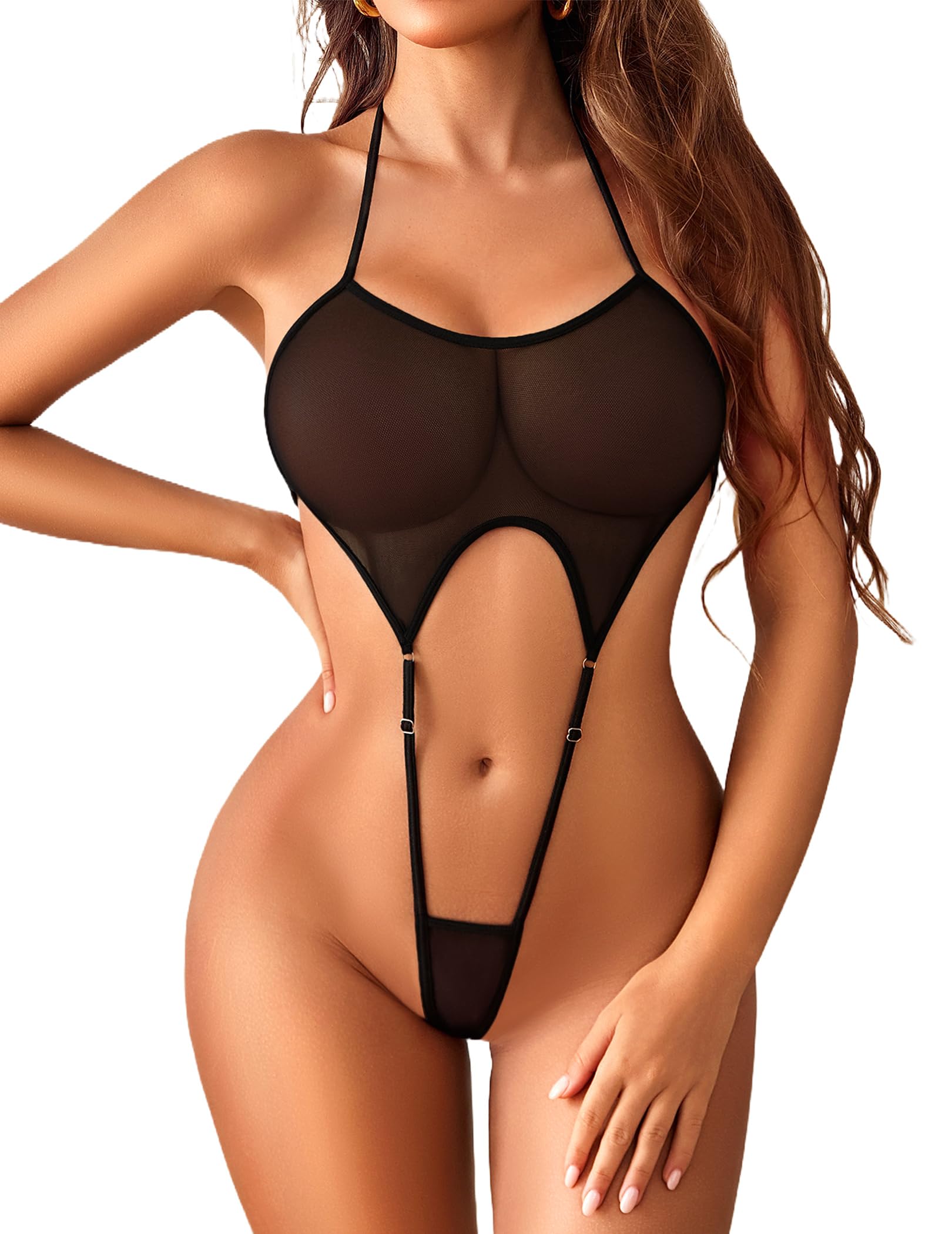
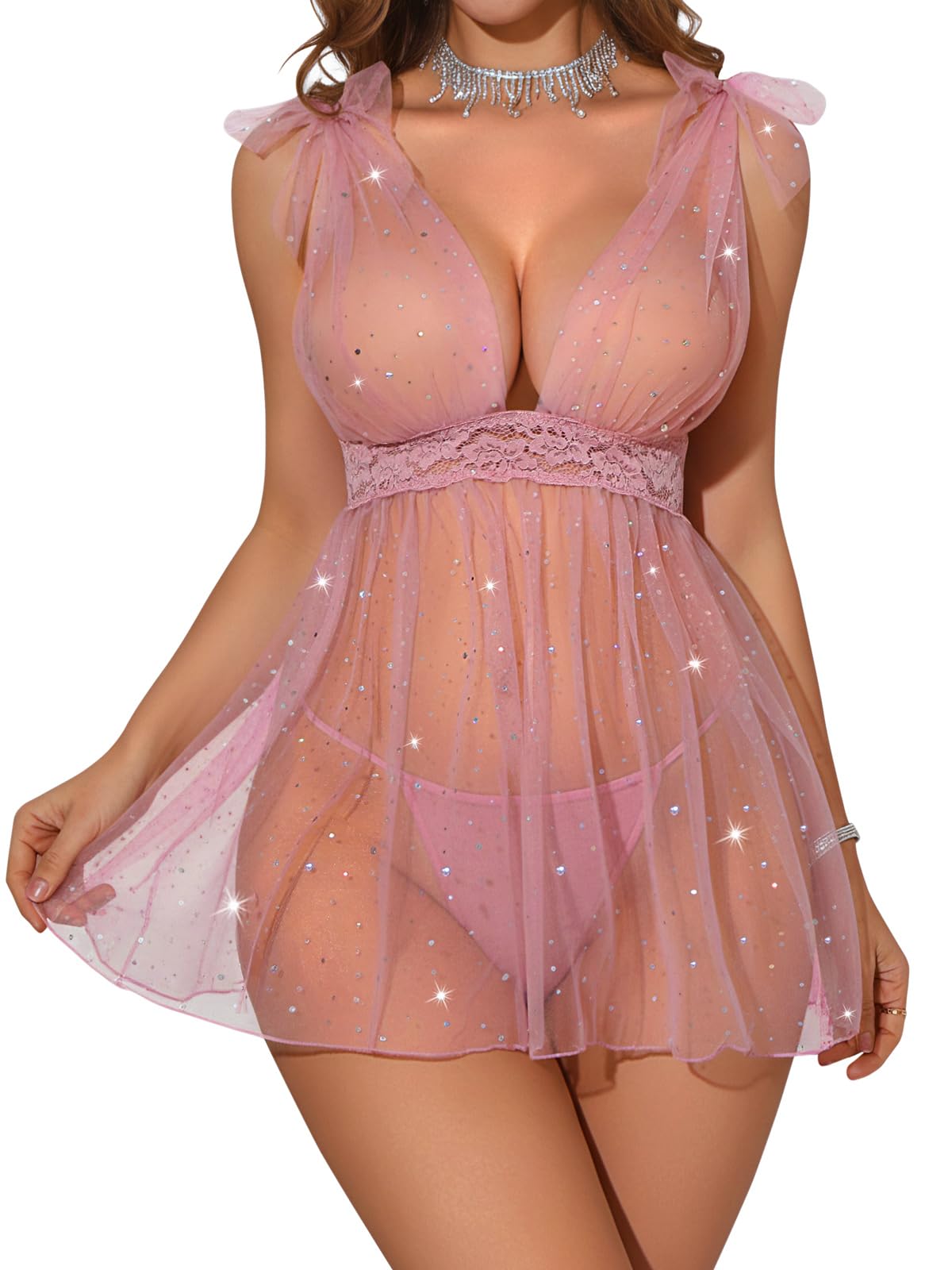
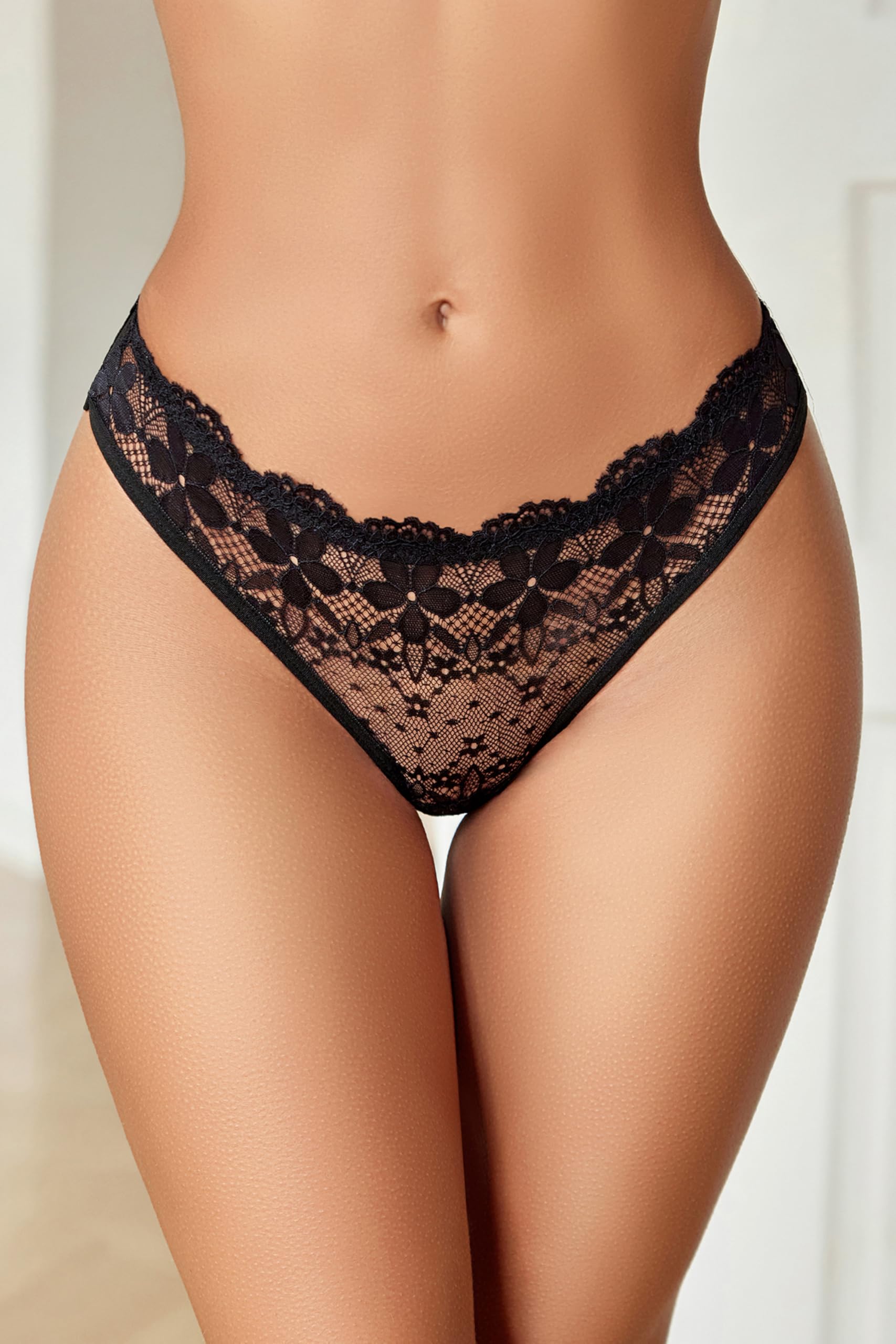
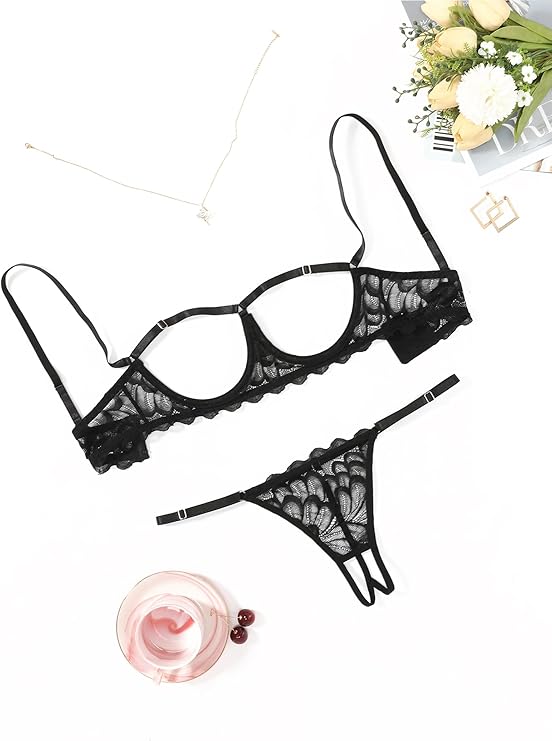
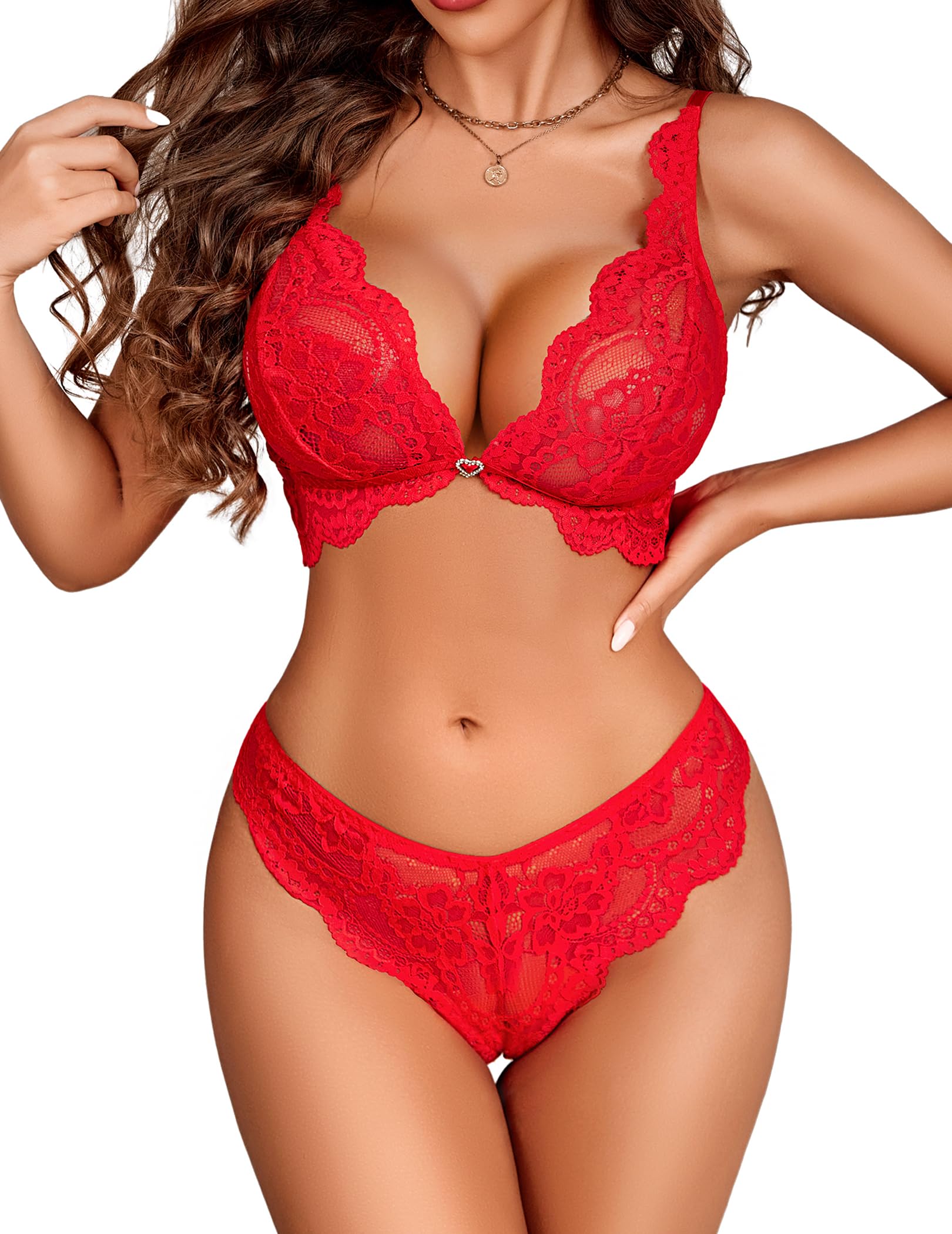
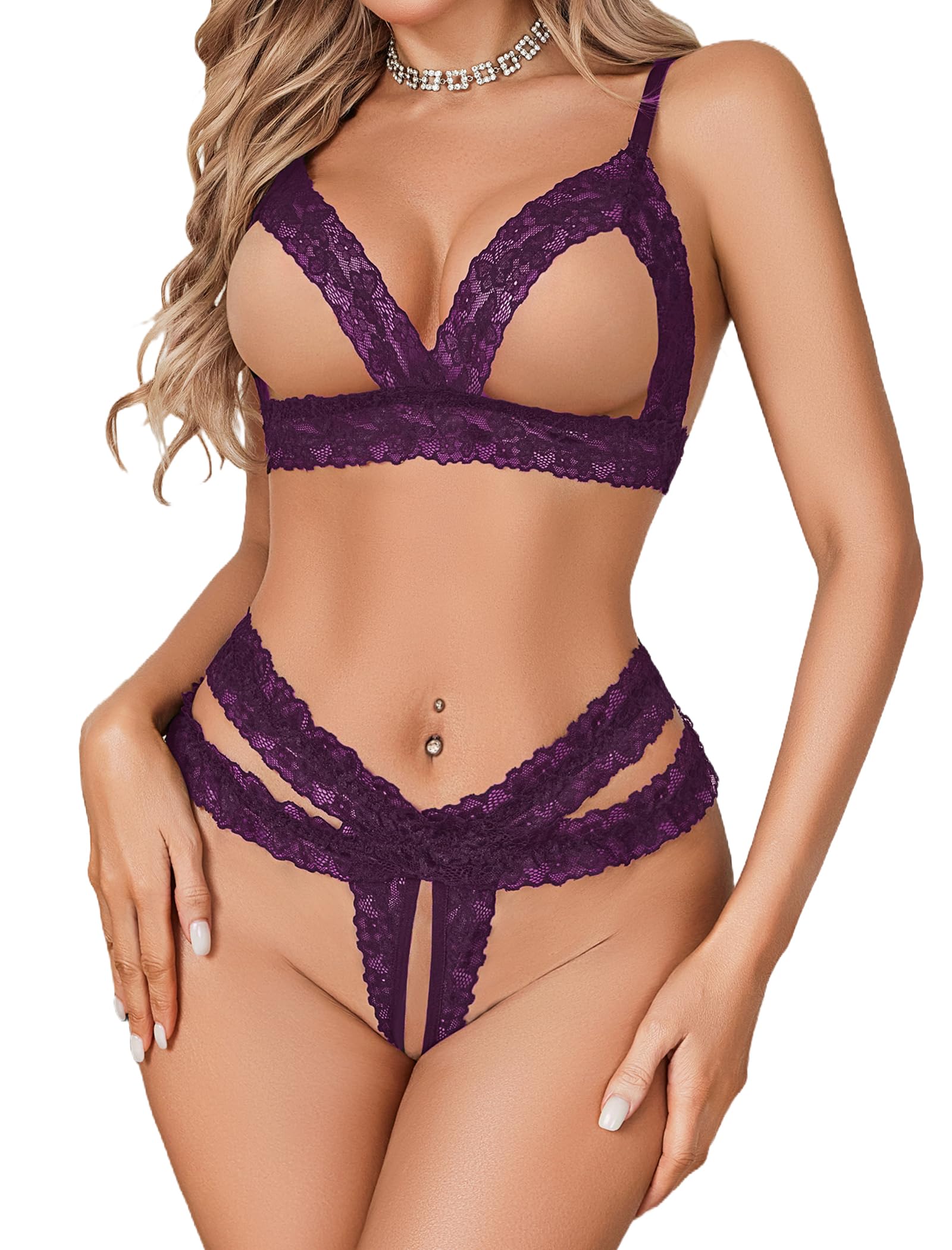
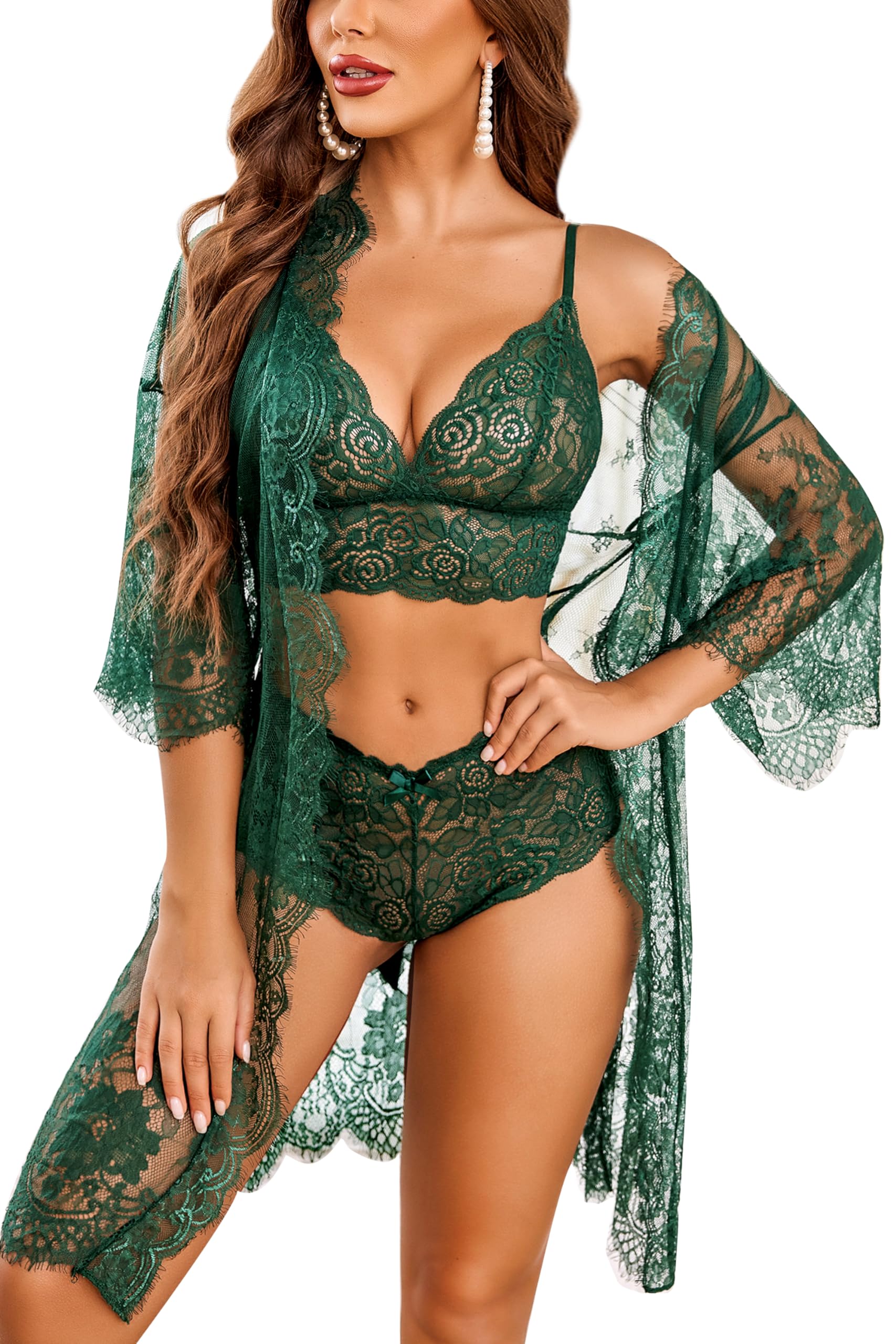
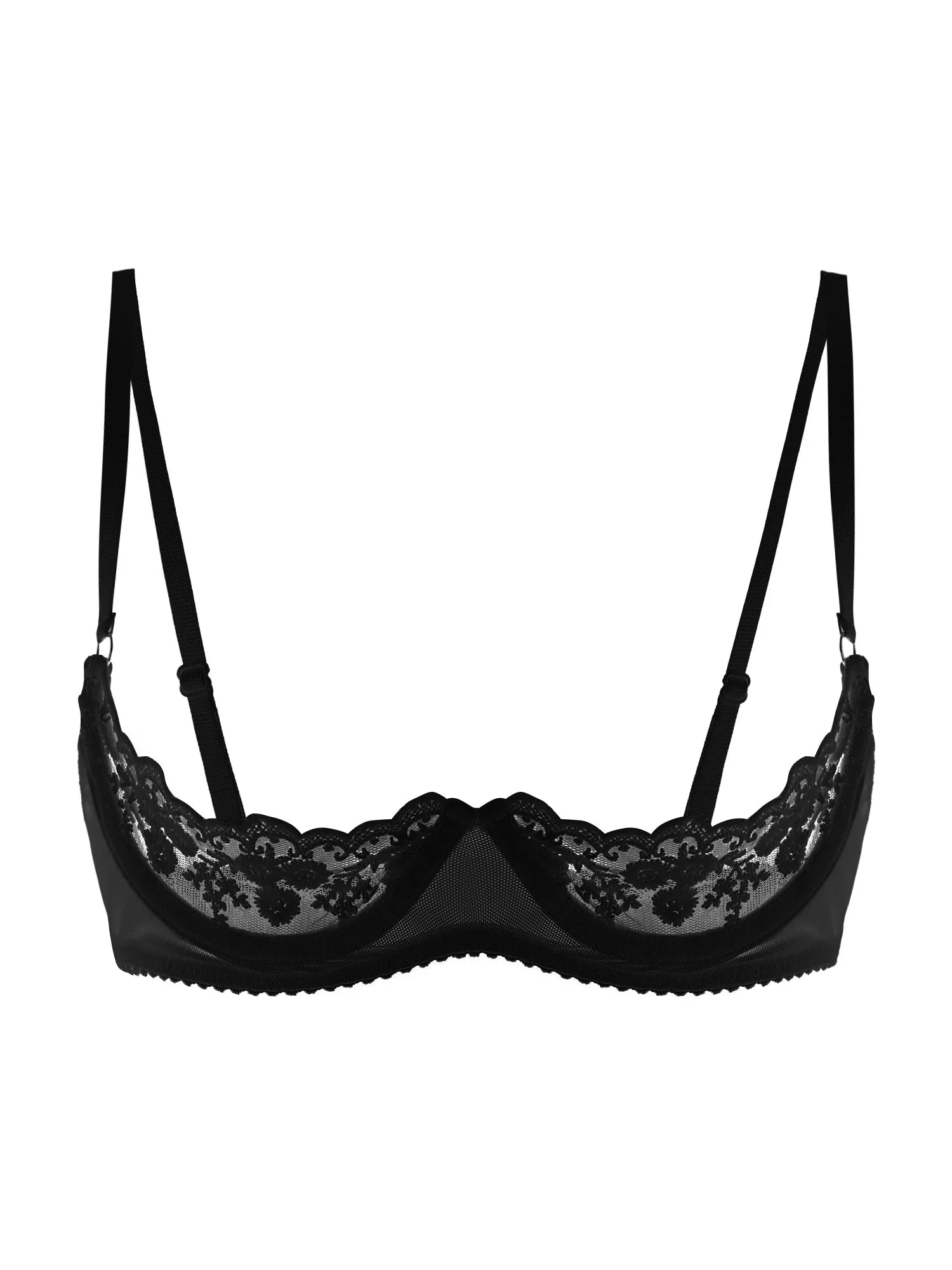
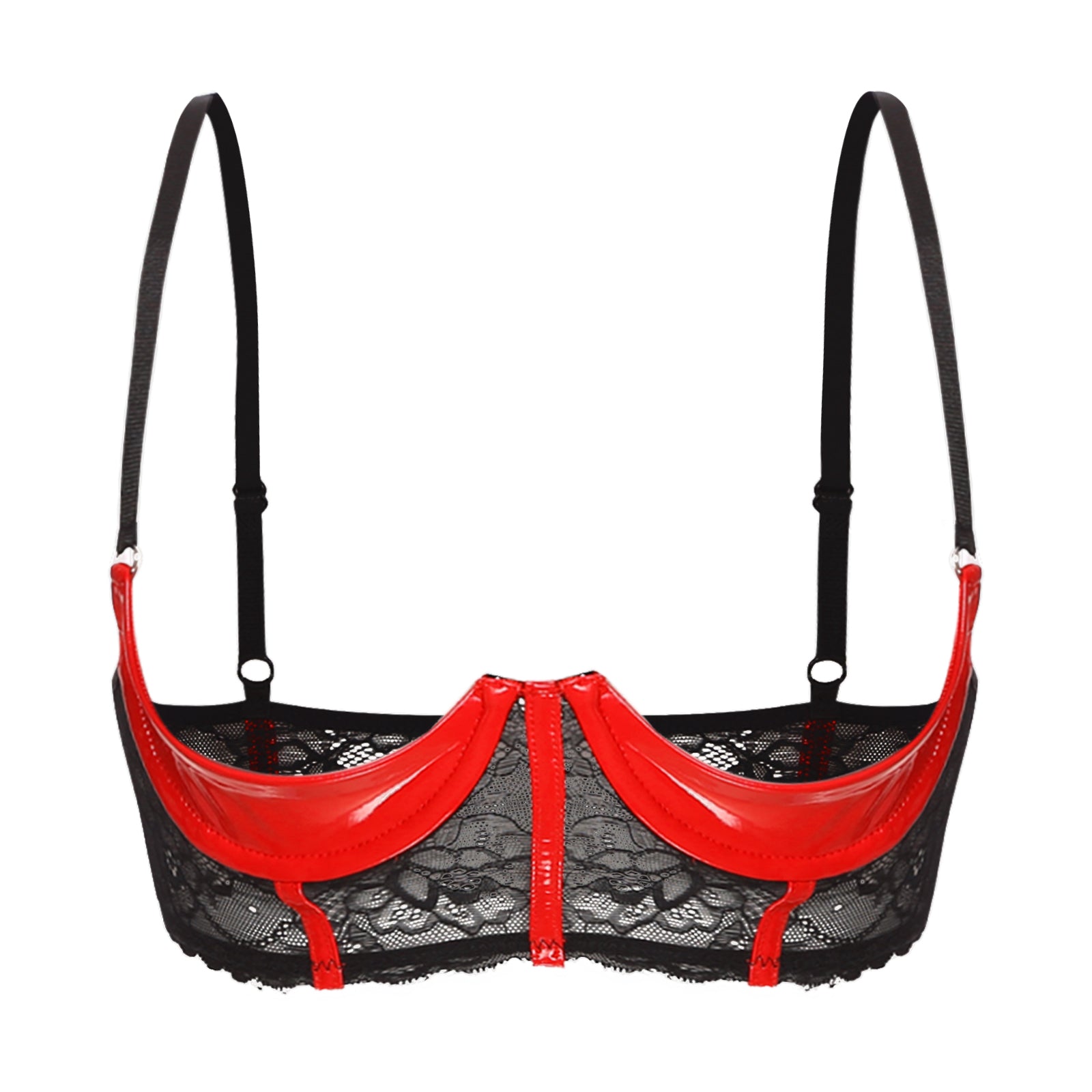
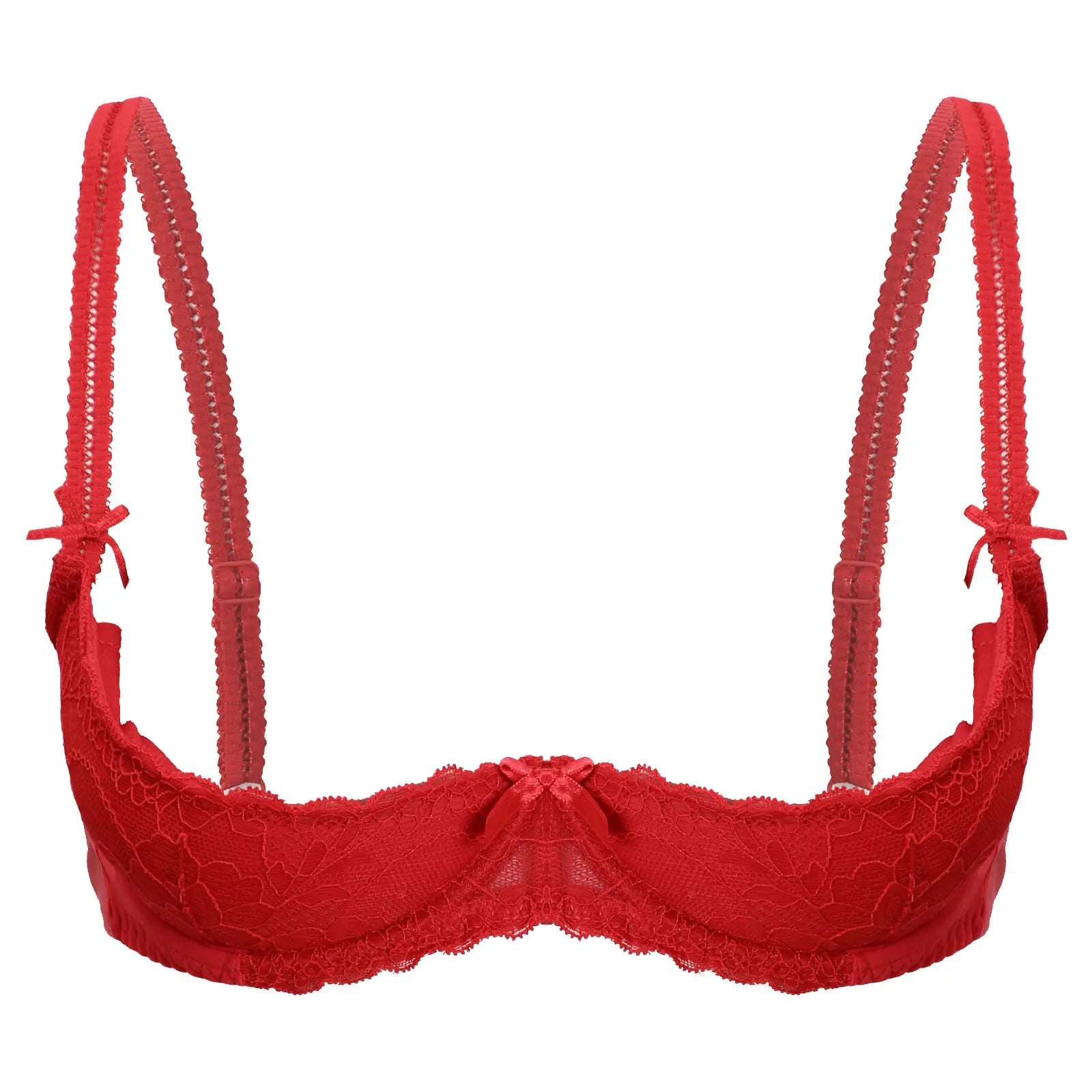
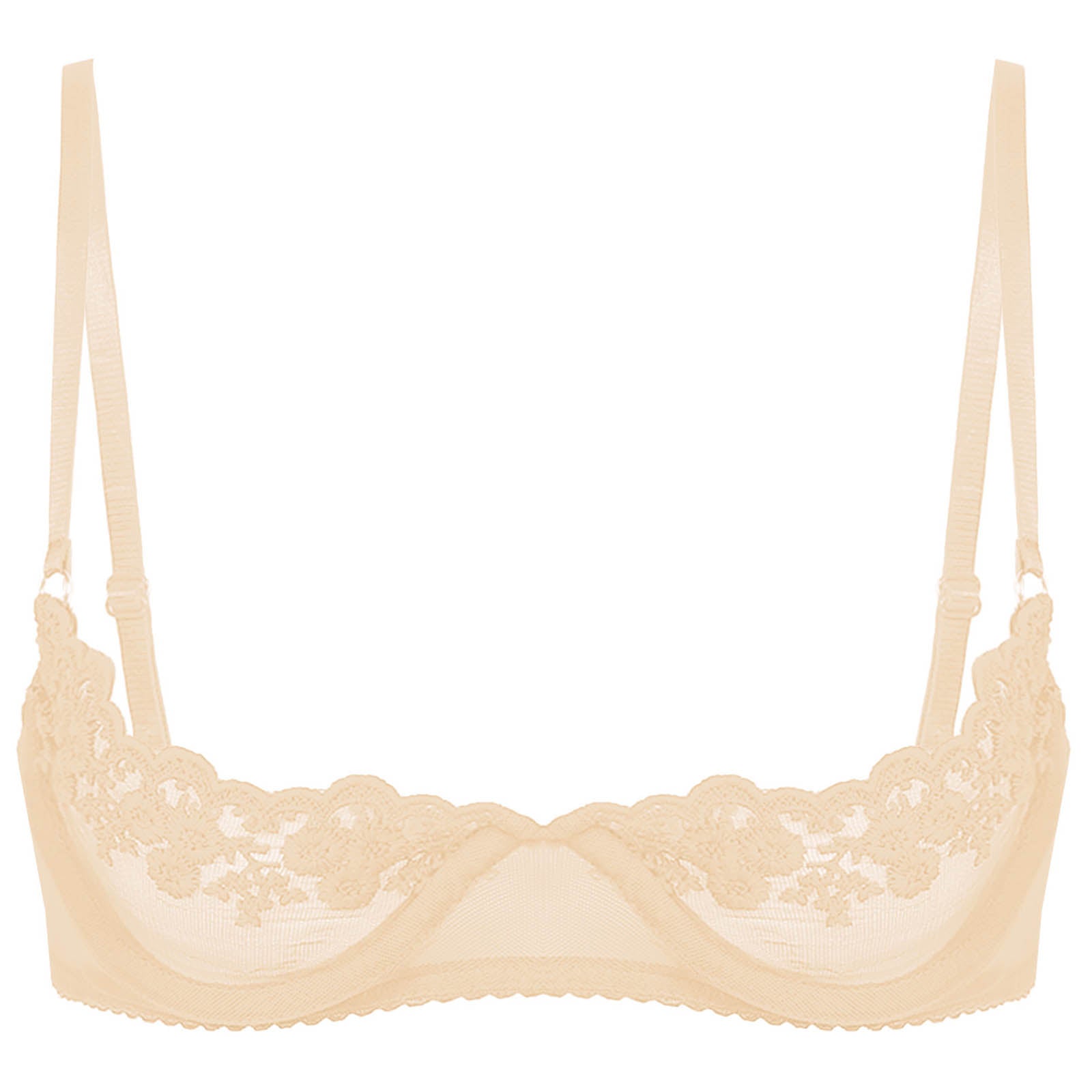
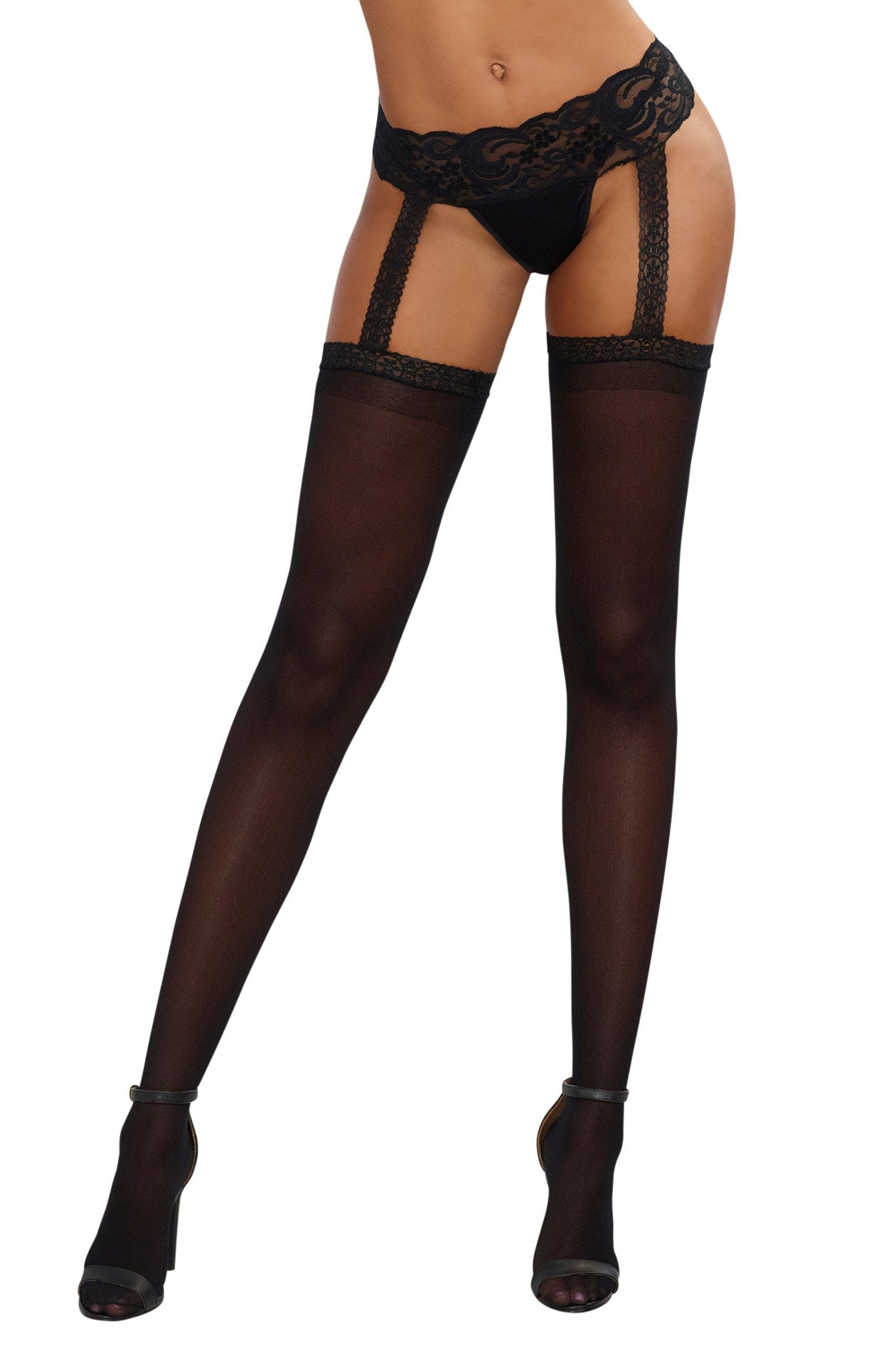
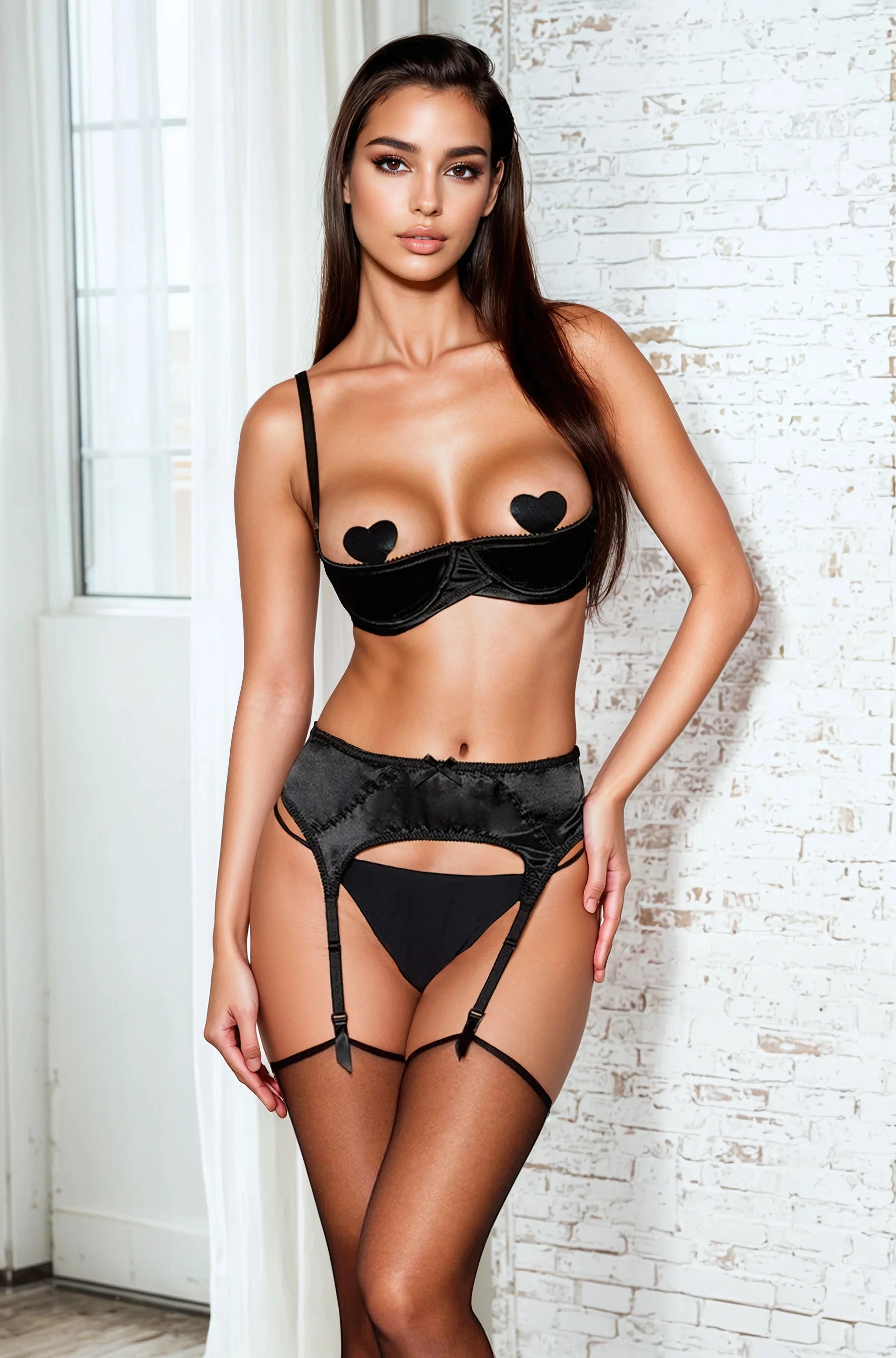
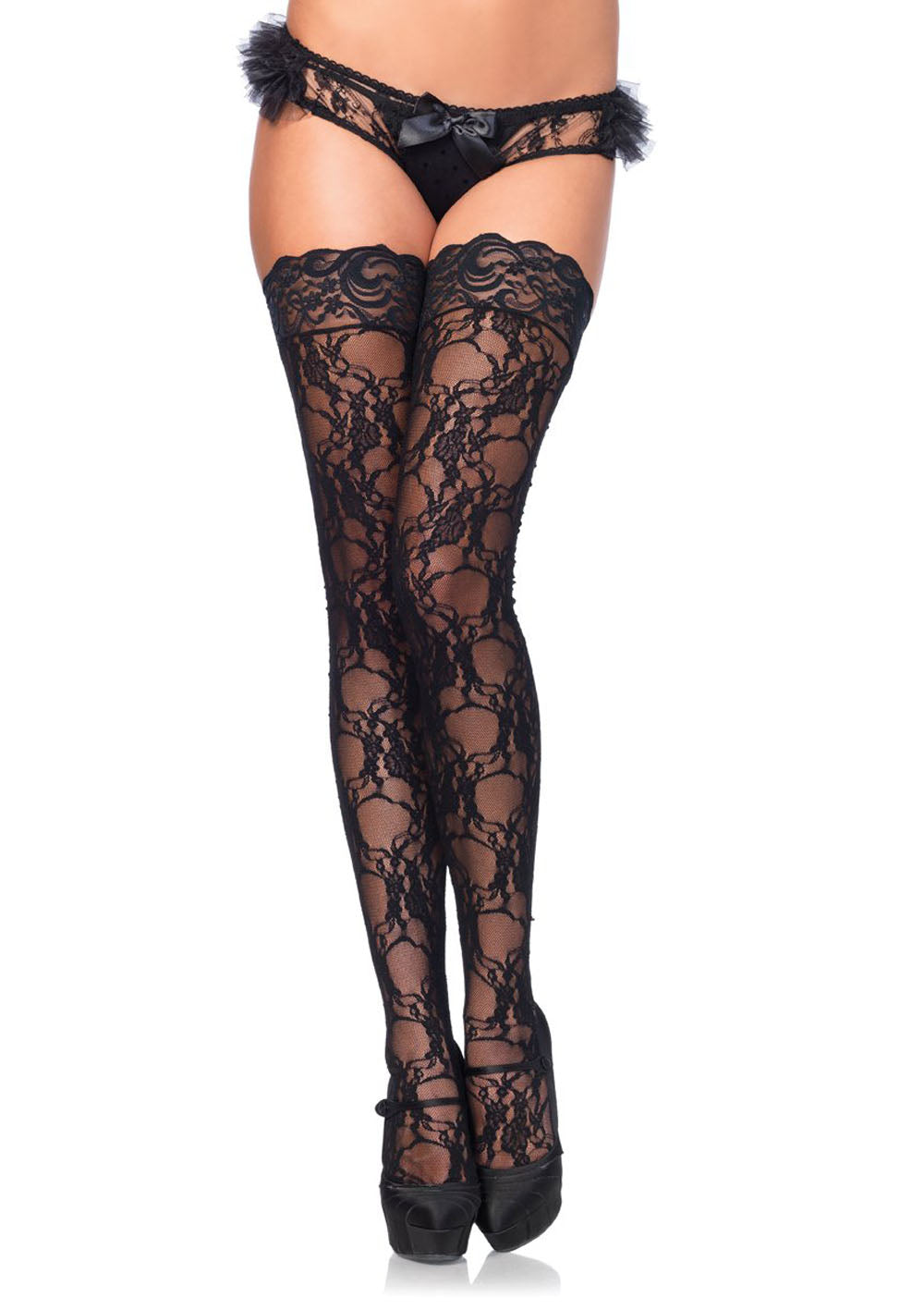
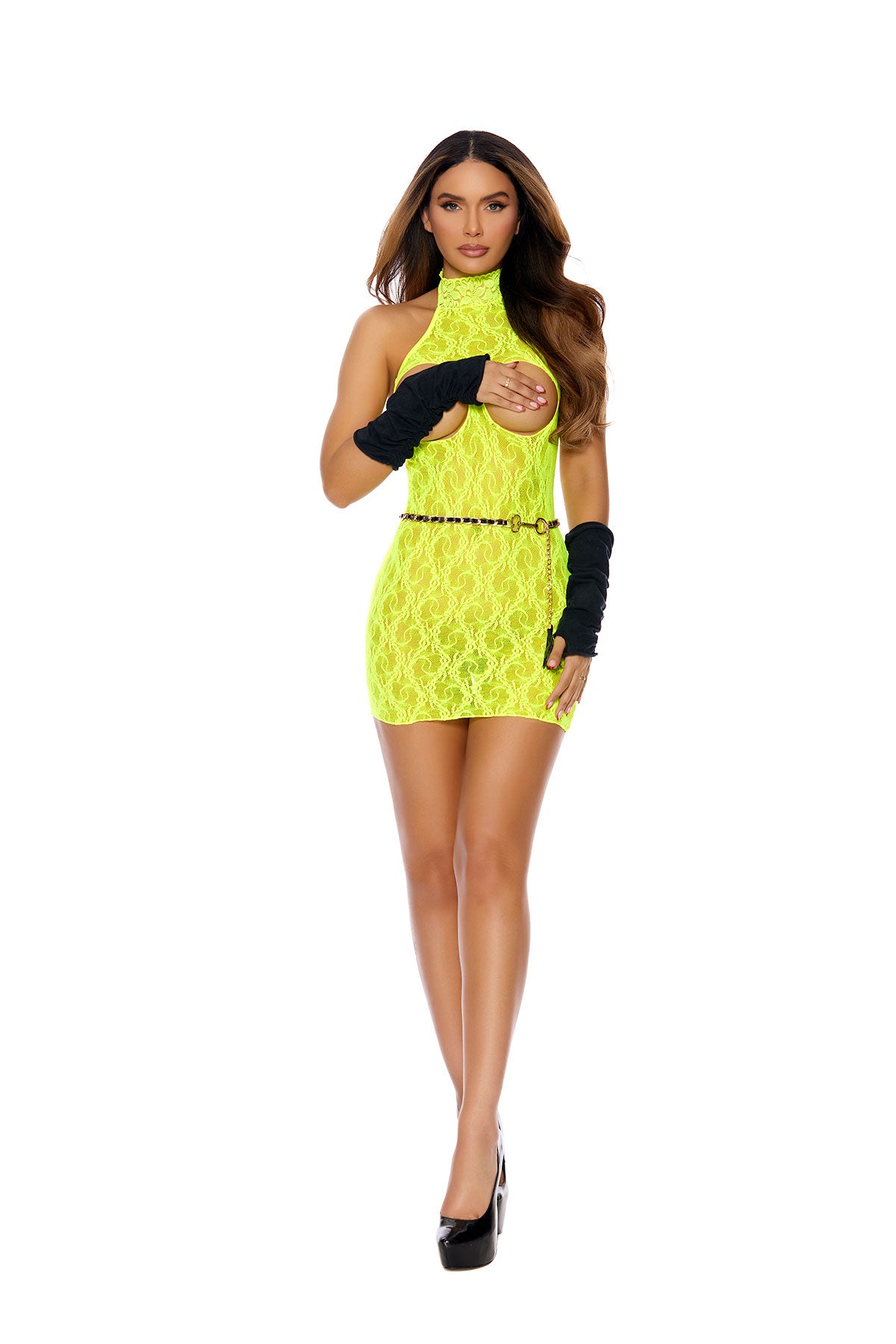
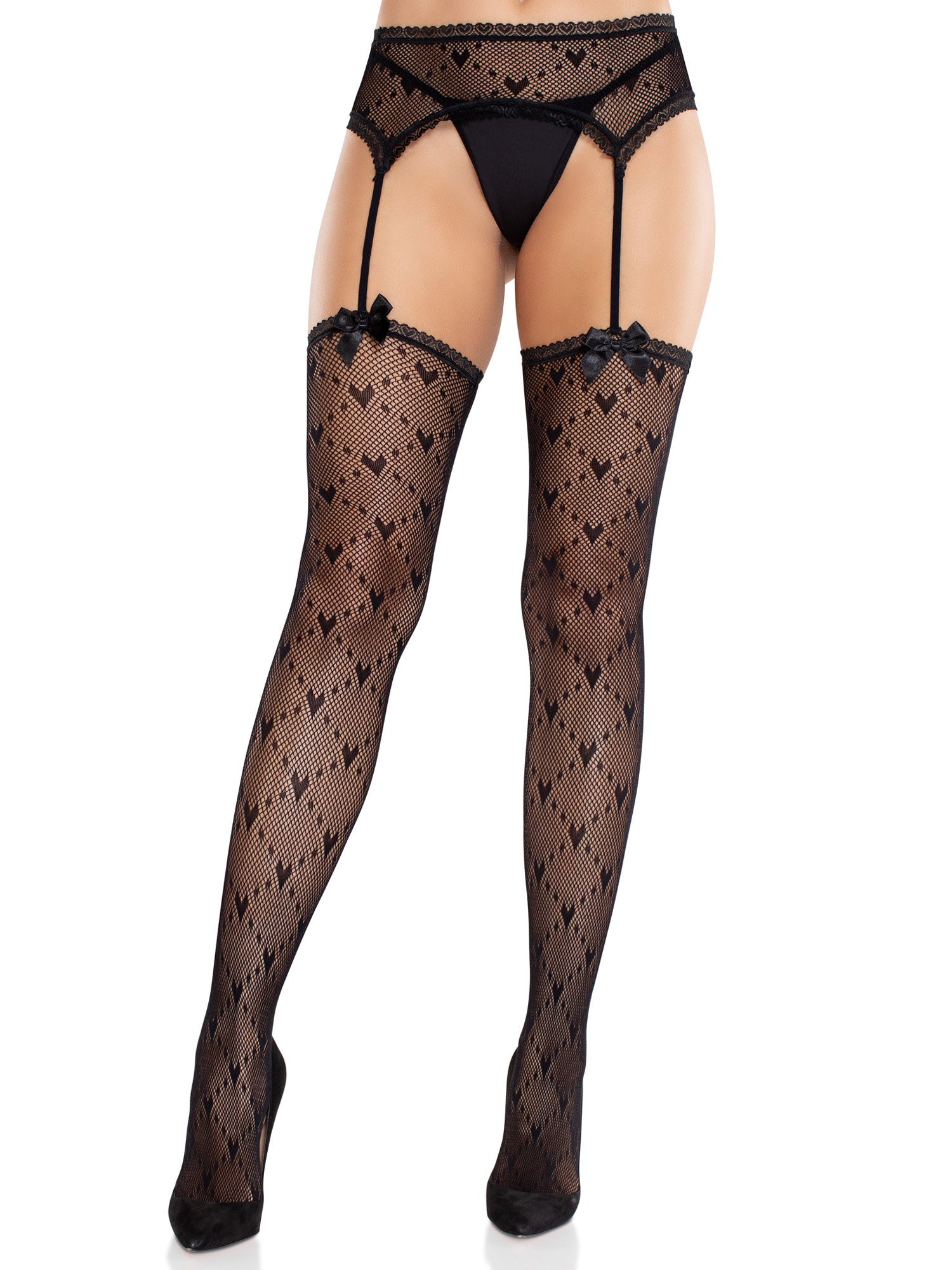
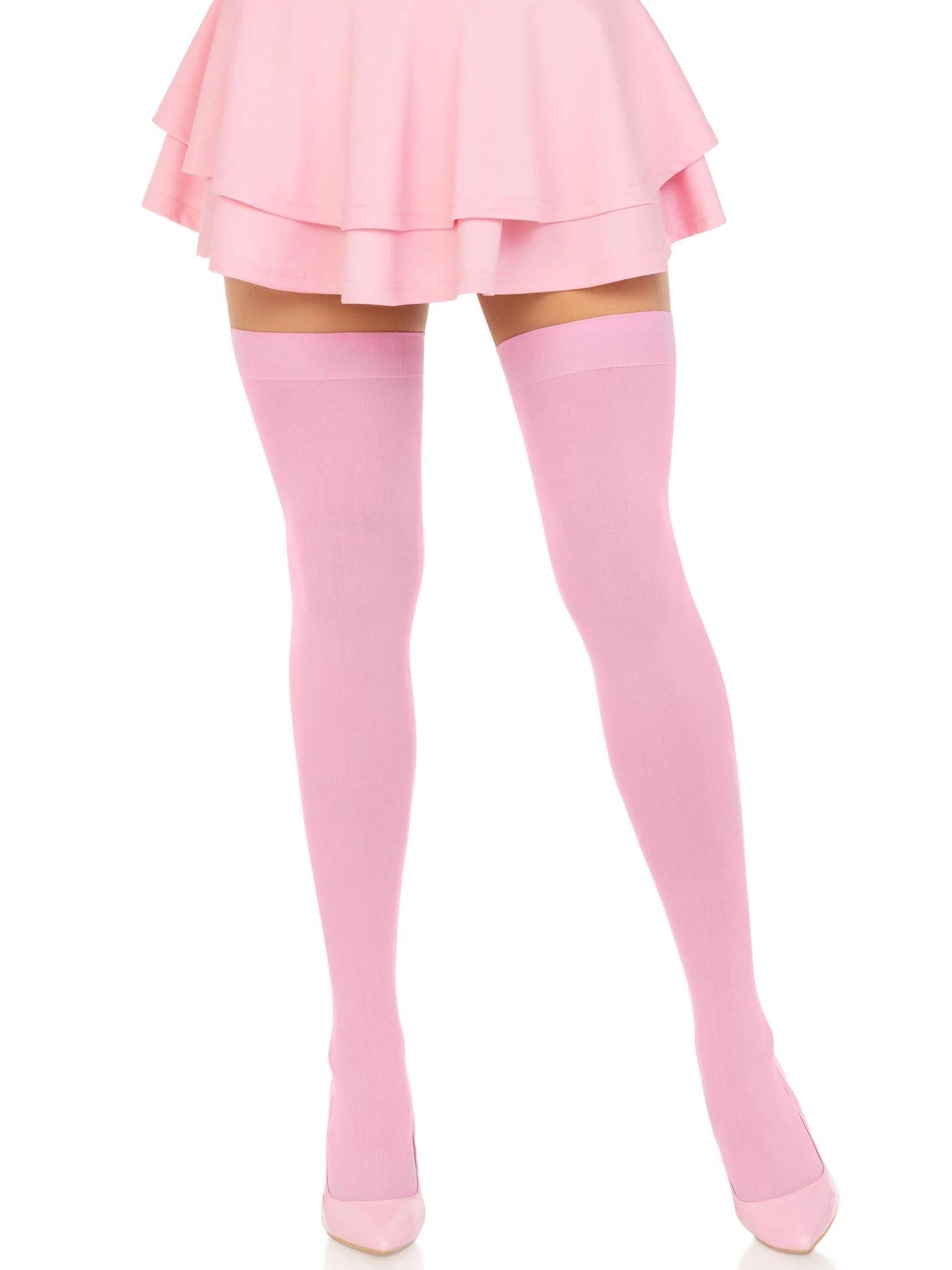
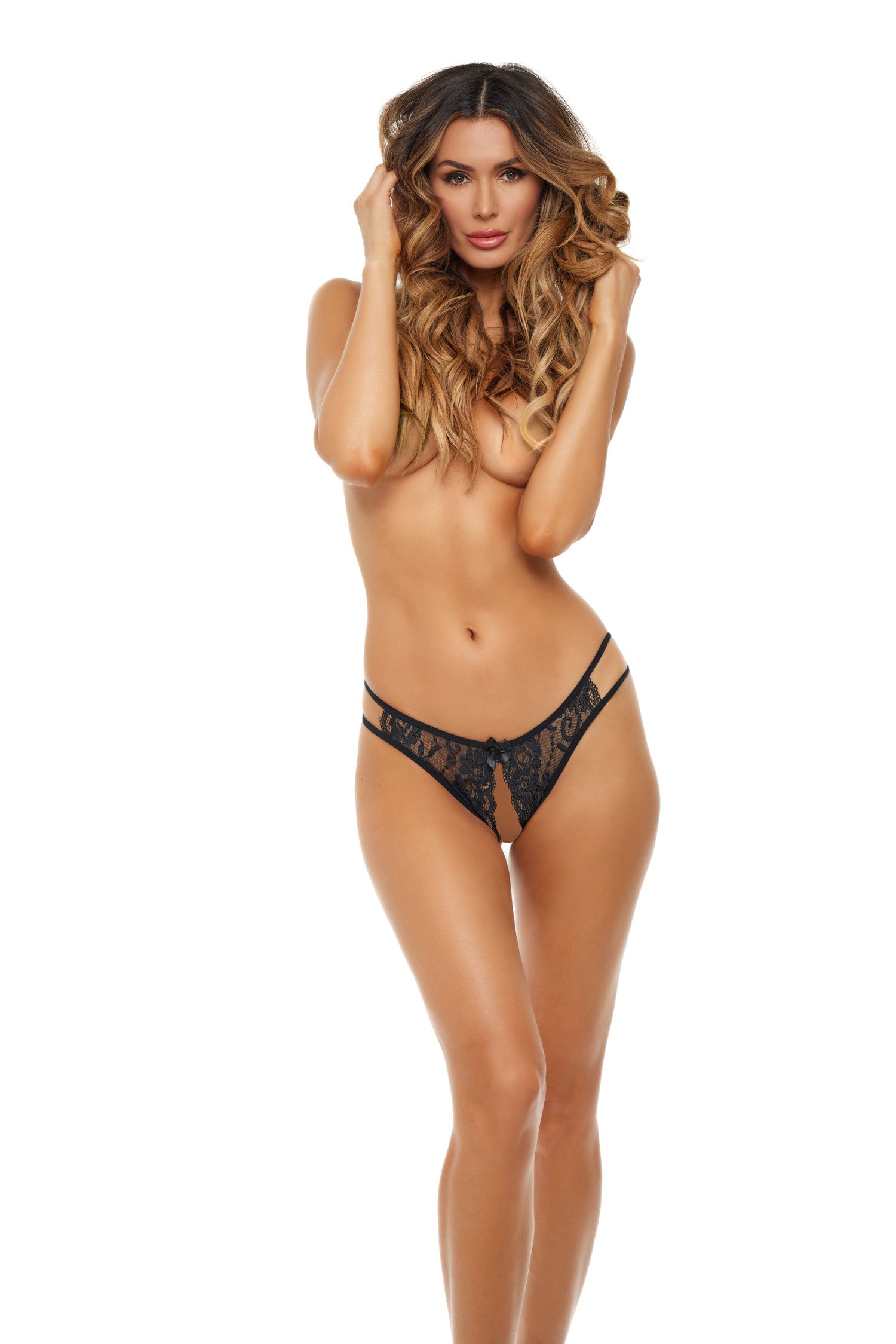
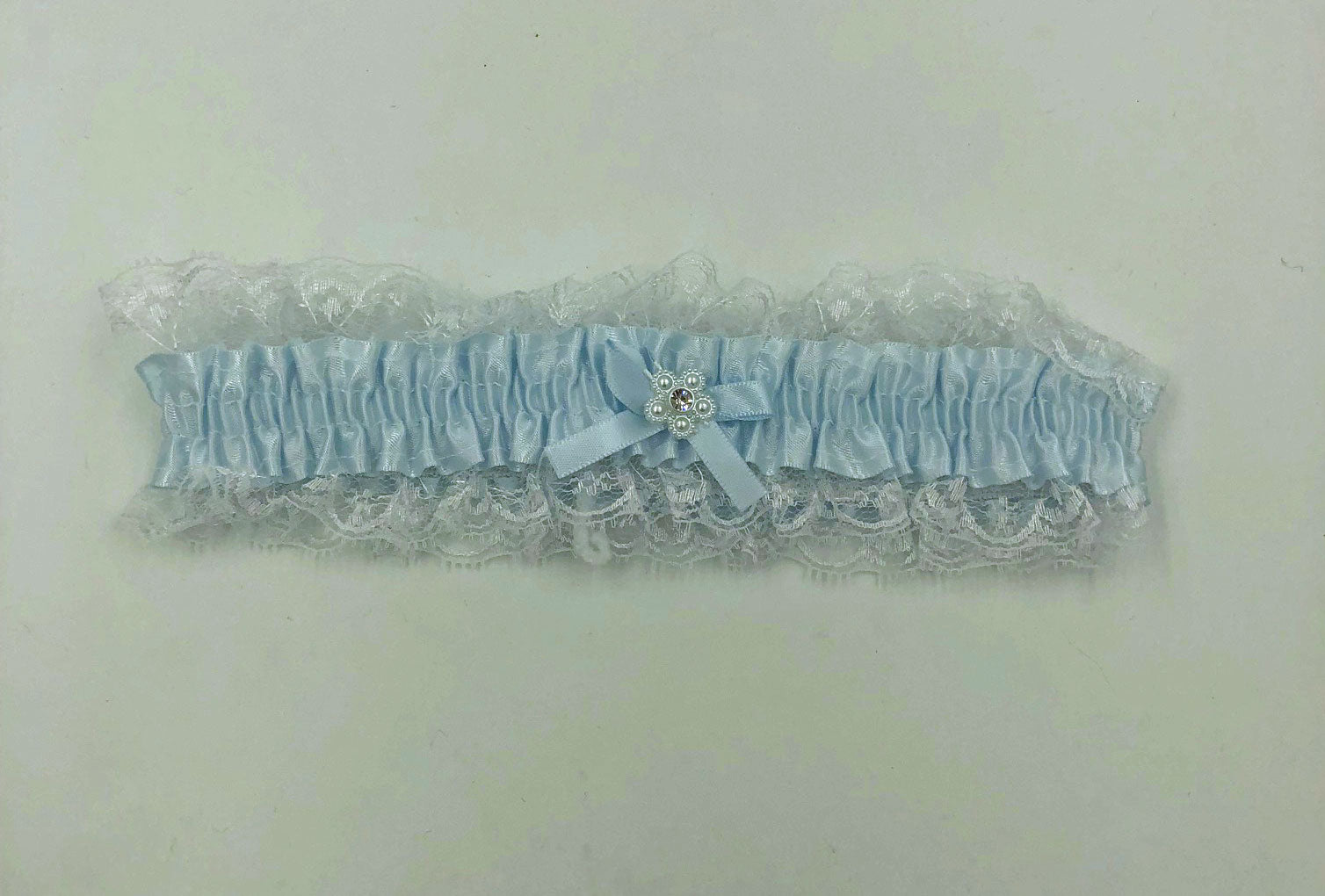
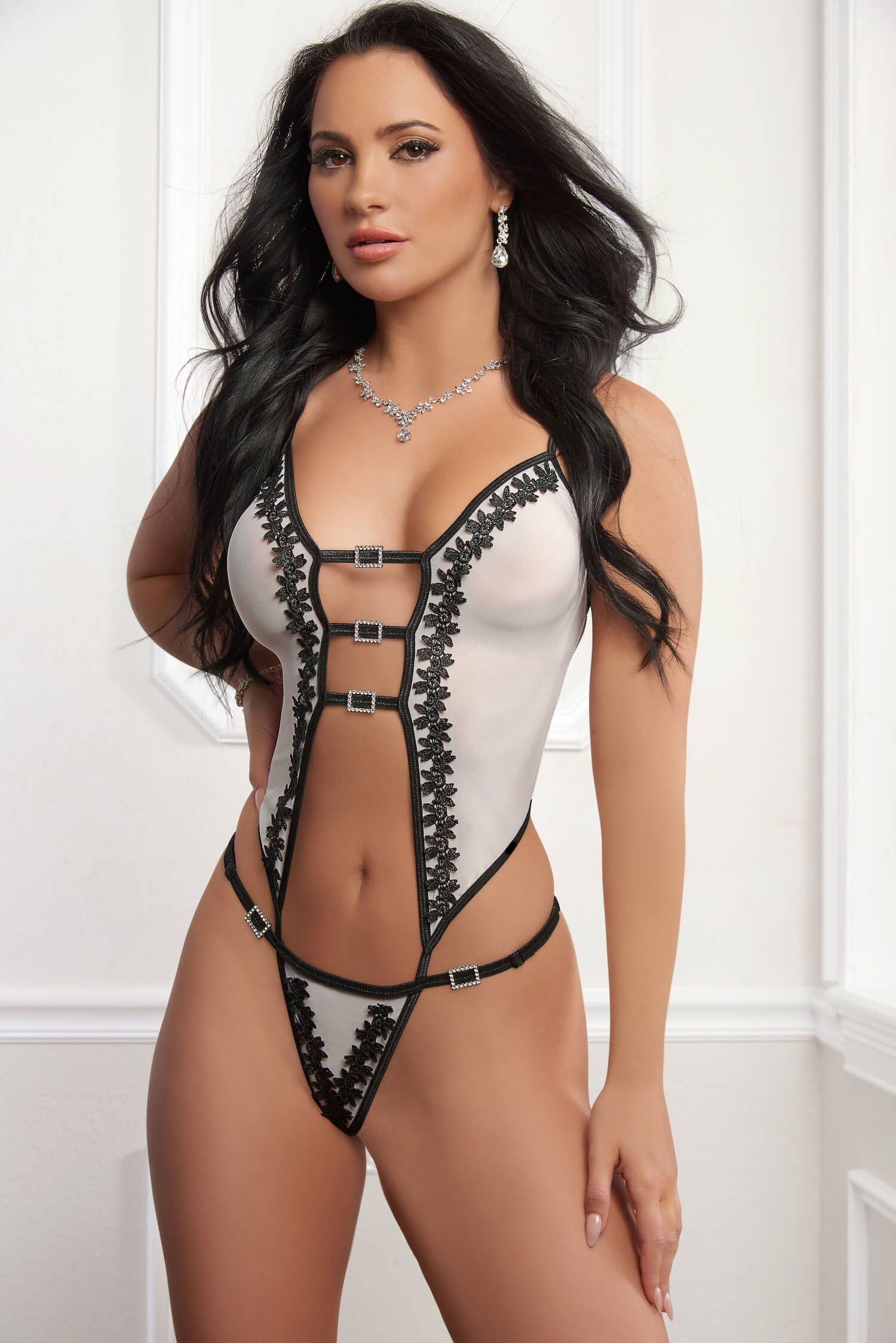
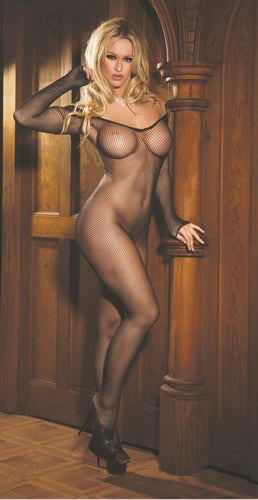
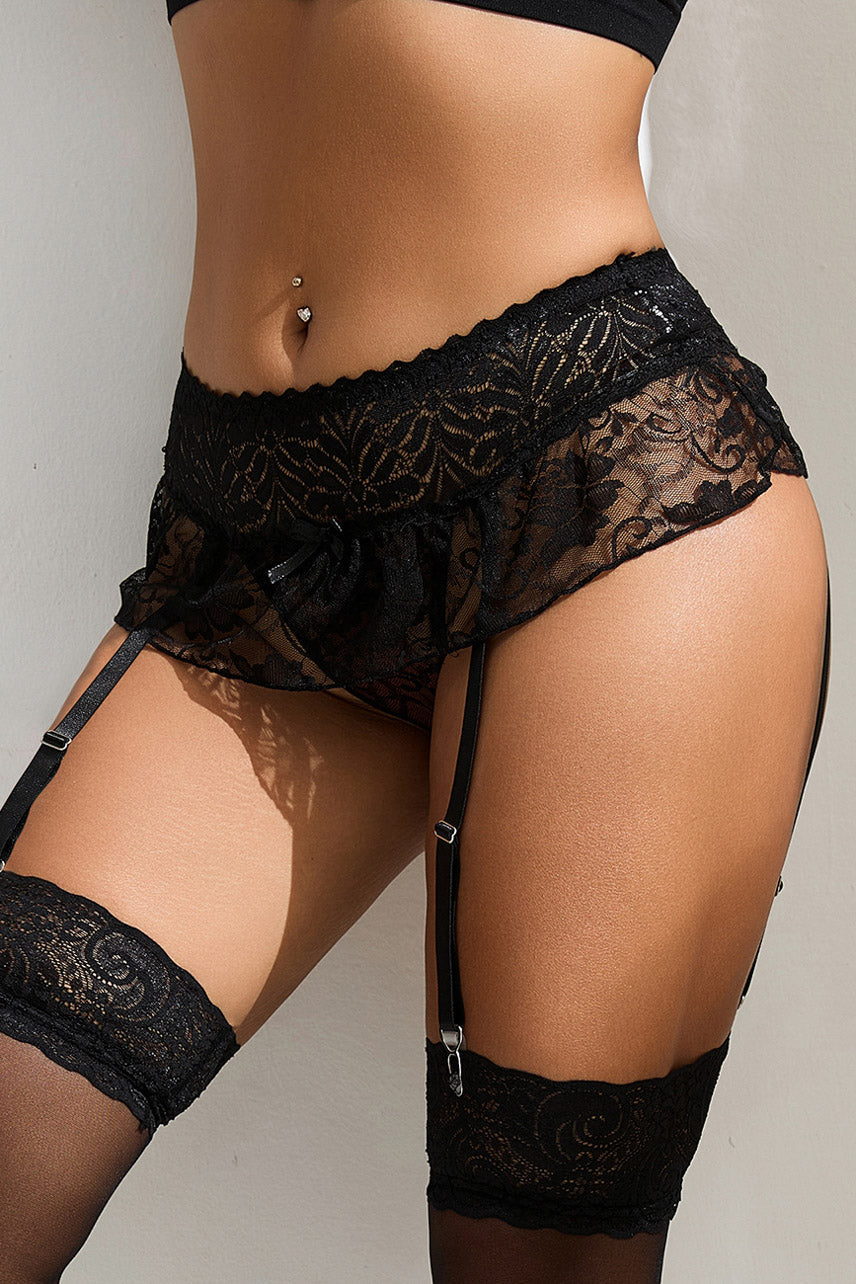
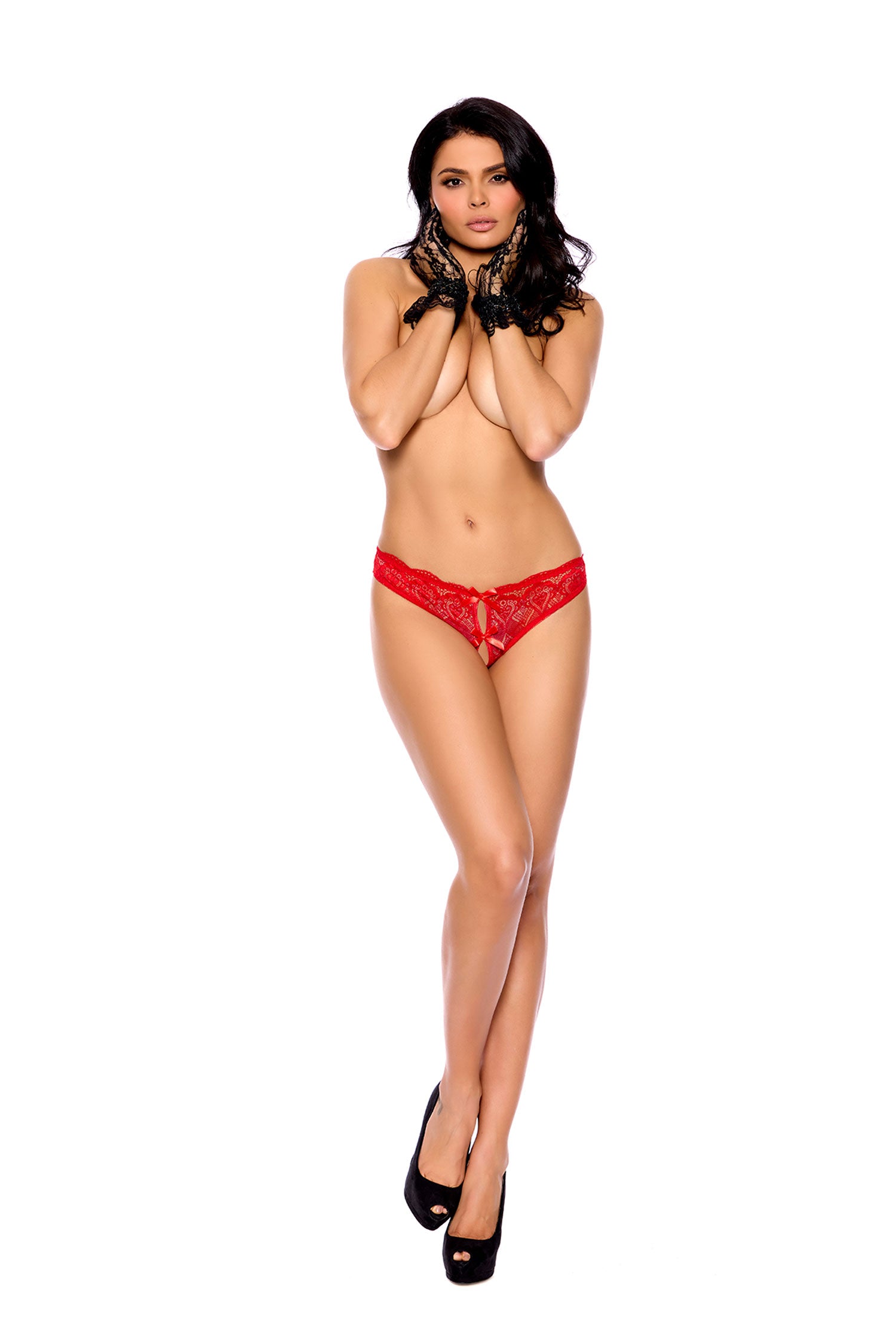
Consider luxury lingerie. Most women do not buy a beautiful black lace set because their existing underwear has stopped functioning. They buy it because the purchase represents something larger than utility. The lingerie symbolizes confidence, elegance, sensuality, self-respect, possibility, and transformation. The transaction is not merely financial. It is psychological.
In many ways, every aspiration-driven purchase is a vote for a future identity. The gym membership is a vote for a healthier version of yourself. The business book is a vote for a more successful version of yourself. The suitcase is a vote for a more adventurous version of yourself. The matching lingerie set is a vote for a more confident version of yourself.
Critics often dismiss these purchases as fantasy. They say people are buying dreams. Ironically, that criticism completely misses the point. Dreams are often the first stage of change. Before a woman becomes more confident, she usually imagines confidence. Before she becomes more expressive, she imagines a more expressive version of herself. Before she embraces a new identity, she visualizes it.
Fantasy is not the opposite of reality. More often, fantasy is the blueprint reality follows.
What Women Are Really Buying
- Confidence
- Possibility
- Self-expression
- Identity
- Transformation
- A future version of themselves
The most successful brands in the world understand this instinctively. They rarely sell products directly. Instead, they sell narratives. Luxury fashion sells sophistication. Fitness brands sell discipline. Beauty brands sell confidence. Travel companies sell freedom. Lingerie brands sell something even more personal: self-perception.
Self-perception is powerful because it influences behavior. The woman who begins seeing herself differently often starts acting differently. She carries herself differently. She speaks differently. She makes different decisions. The purchase itself may not create the transformation, but it can become the catalyst that starts it.
This explains why a beautiful matching set can feel disproportionately meaningful compared to its practical function. The fabric matters. The fit matters. The design matters. Yet what matters most is often invisible. The lingerie becomes symbolic. It becomes evidence that the wearer sees herself as someone worthy of beauty, intention, and investment.
Contrary to popular belief, this is not vanity. It is identity construction. Human beings have always used objects, rituals, clothing, and symbols to reinforce who they believe themselves to be. Modern shopping simply gives that instinct a new form.
Invest In The Woman You're Becoming
Sometimes confidence starts with a decision long before it becomes a reality.
The healthiest version of the Fantasy Economy is not about pretending to be someone you are not. It is about becoming more intentional about who you want to be. There is a meaningful difference between buying an identity and growing into one. The former is performance. The latter is evolution.
This distinction matters because aspiration has been unfairly criticized in recent years. We are often told to be satisfied with exactly who we are. While self-acceptance is important, growth is equally important. Human beings are naturally aspirational creatures. We imagine. We dream. We experiment. We evolve. The desire to become more confident, more elegant, more adventurous, or more expressive is not a flaw. It is one of the defining characteristics of human nature.
Perhaps this is why the most powerful purchases often feel emotional rather than logical. Deep down, they are not about objects at all. They are about possibility. They are reminders that our current identity is not our final identity.
The Fantasy Economy exists because people need hope. They need imagination. They need visions of a future worth moving toward. Whether that future is represented by a black lace set, a matching lingerie collection, a dream home, or a plane ticket is ultimately beside the point.
The purchase is not the destination.
It is the invitation.
And sometimes the woman you are becoming is hidden inside the things you once thought you were buying.