 ⭐ ⭐ ⭐ ⭐ ⭐
What Happens When You Start Dressing For Yourself
The biggest transformation isn't in your wardrobe. It's in your identity.
The day you stop dressing for approval is the day your style becomes powerful.
Because confidence begins where validation ends.
Most women are taught to dress for an audience long before they realize it.
Sometimes the audience is obvious. A romantic partner. Friends. Colleagues. Social media followers. Sometimes the audience is invisible. Expectations inherited from family, culture, trends, magazines, influencers, and years of subtle messaging about what women should wear if they want to be attractive, successful, feminine, desirable, sophisticated, youthful, or accepted.
The result is that many women spend years curating themselves for approval without ever consciously deciding whose approval they are seeking. Clothing becomes less about self-expression and more about strategy. The question quietly shifts from "Do I love this?" to "What will people think of this?"
At first, that may not seem like a problem. Human beings are social creatures. We all care what others think to some degree. But over time, something subtle begins to happen. The further a woman moves toward external validation, the further she often drifts from her own identity.
This is why so many women describe a dramatic shift when they finally begin dressing for themselves. The transformation rarely begins with a specific garment. It begins with a different question. Instead of asking whether something will impress other people, they begin asking how it makes them feel.
That question sounds simple. In reality, it changes everything. Because feelings reveal identity. The clothes that make you feel powerful, elegant, playful, sensual, confident, creative, or comfortable often tell a more honest story about who you are than the clothes designed to maximize approval.
Personal style becomes interesting when it becomes personal.
Modern fashion culture has created an endless cycle of trends. Every season introduces new aesthetics, new rules, and new versions of who women are supposedly supposed to become. Quiet luxury. Coastal grandmother. Mob wife. Clean girl. Old money. Siren energy. The labels change constantly, but the underlying message remains remarkably consistent: become someone else.
Dressing for yourself moves in the opposite direction. It asks a different question entirely: who are you already?
Signs You're Dressing For Yourself
- You choose pieces based on how they make you feel
- You stop chasing every trend
- You become more selective rather than buying more
- Your confidence feels more stable
- You dress consistently, not performatively
- Your style feels like an extension of your identity
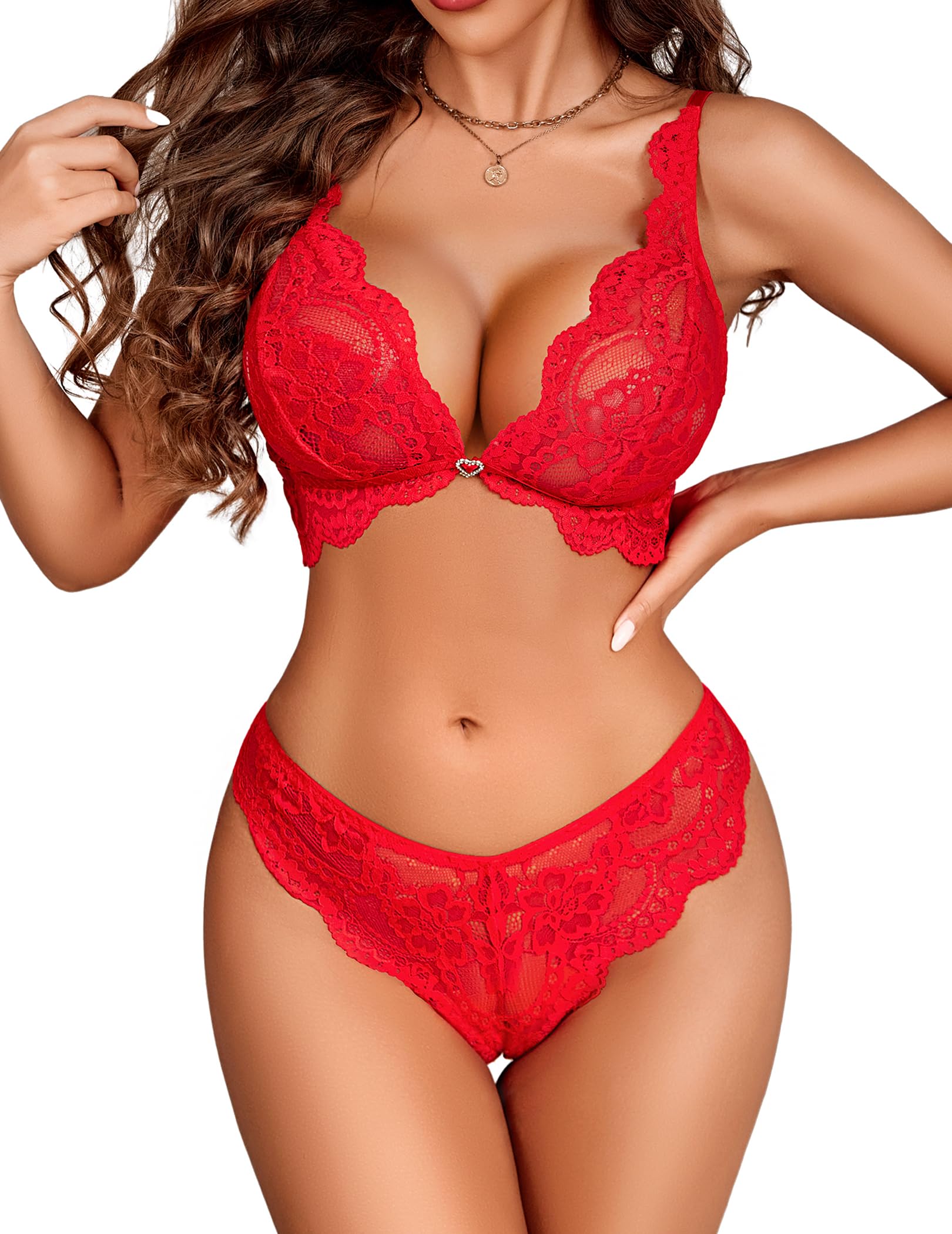
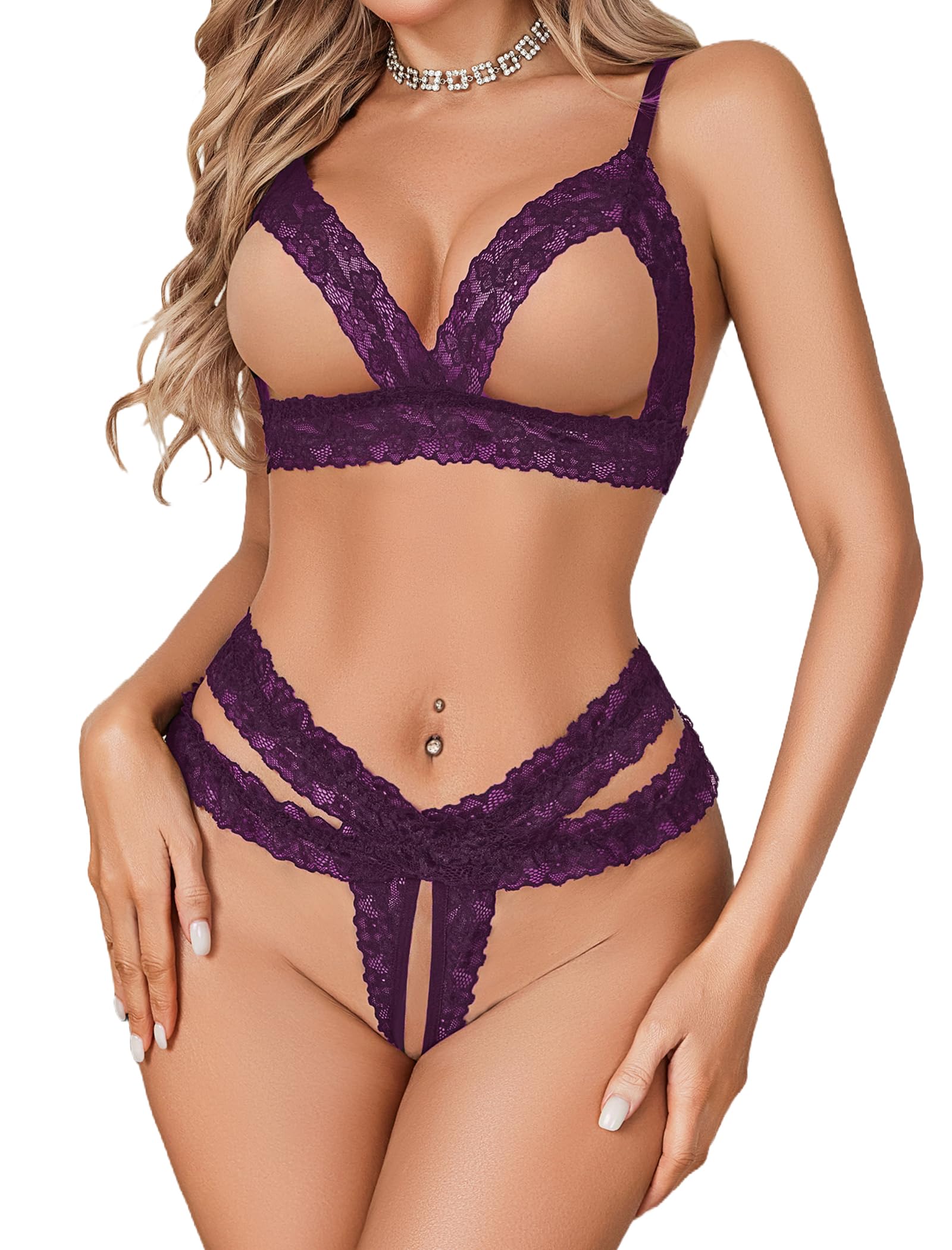
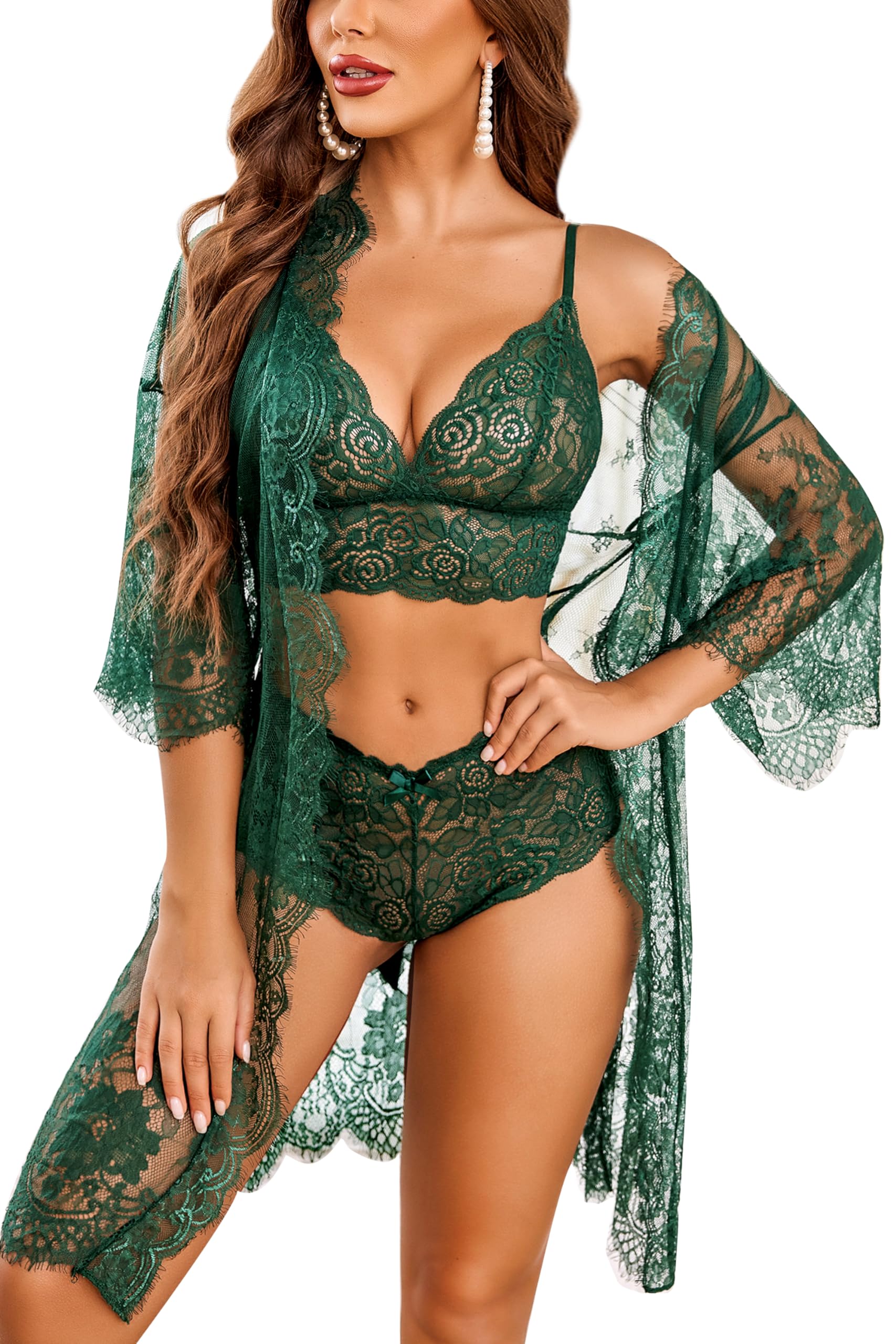
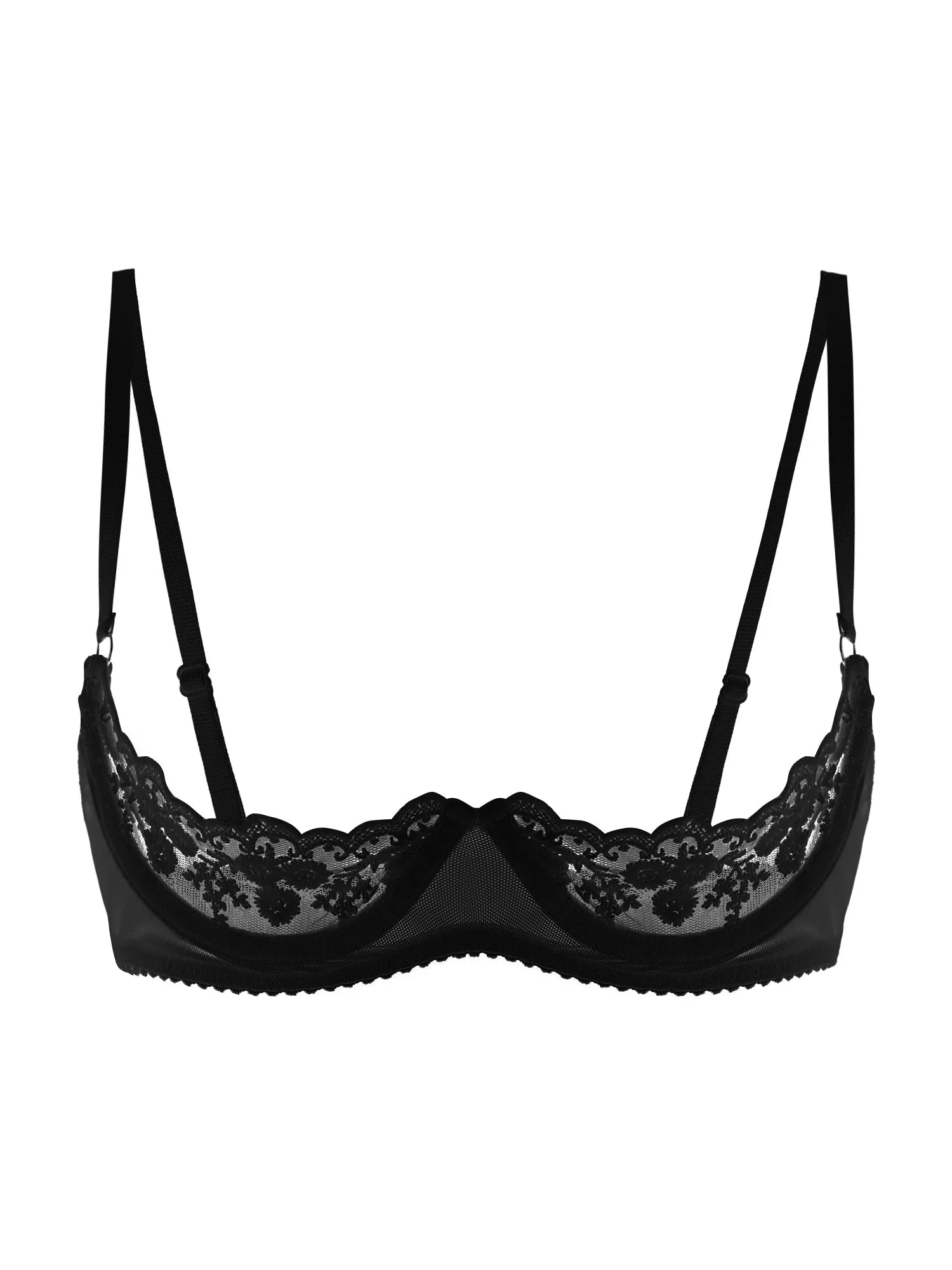
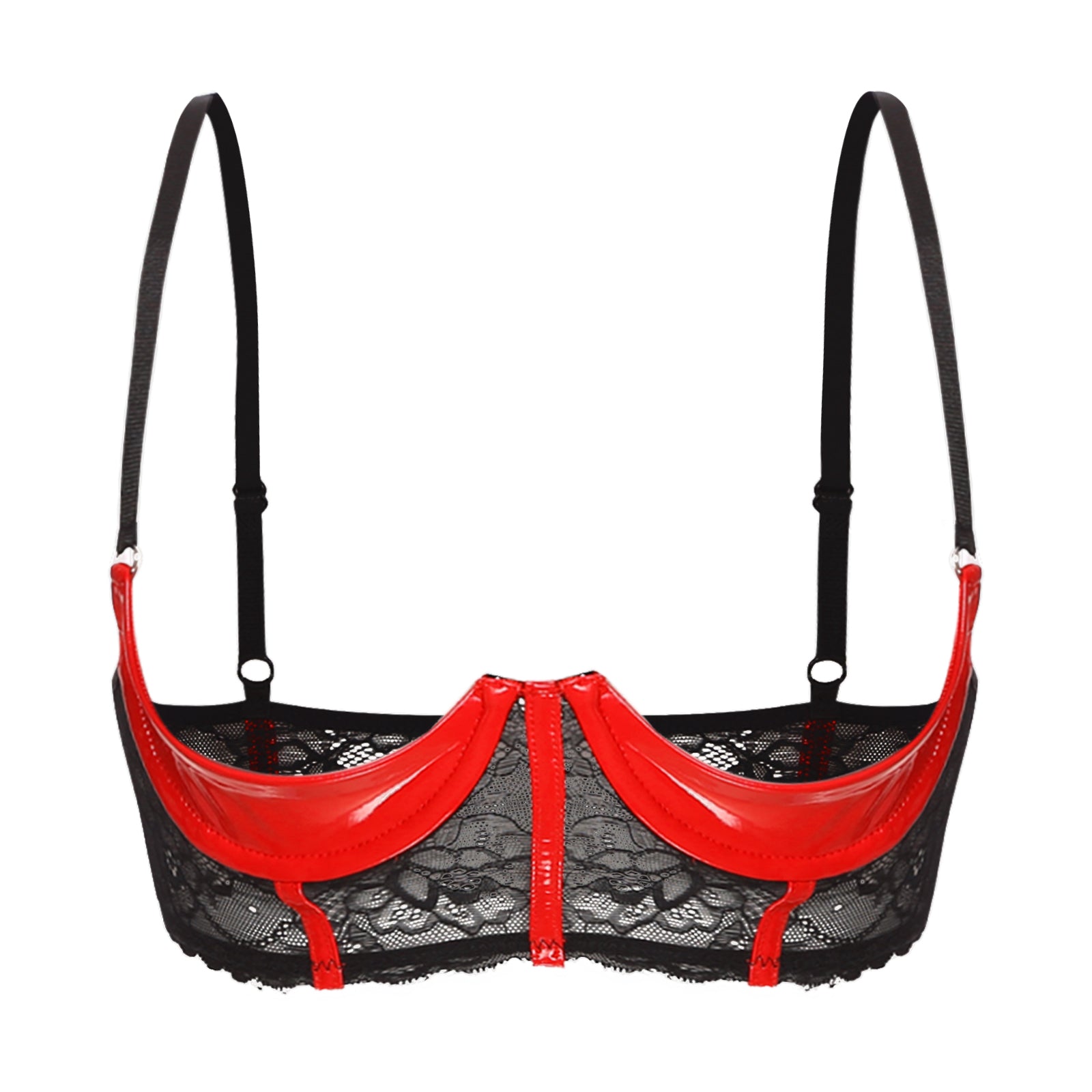
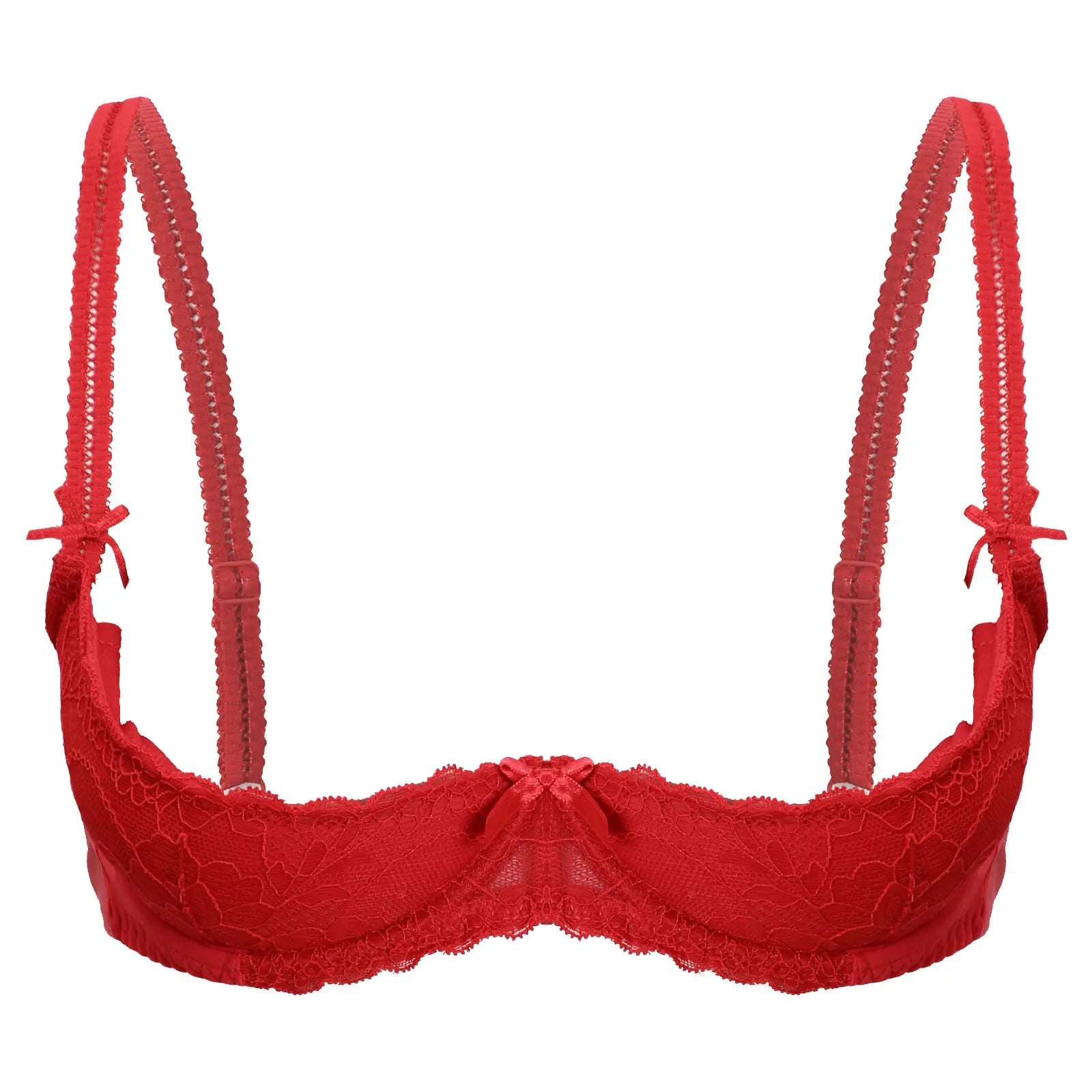
This shift becomes especially interesting when applied to lingerie. Lingerie occupies a unique place in a wardrobe because it exists largely outside public view. Most people will never see it. That reality strips away much of the performance and forces a different motivation.
Why buy beautiful lingerie if nobody sees it?
The answer reveals everything.
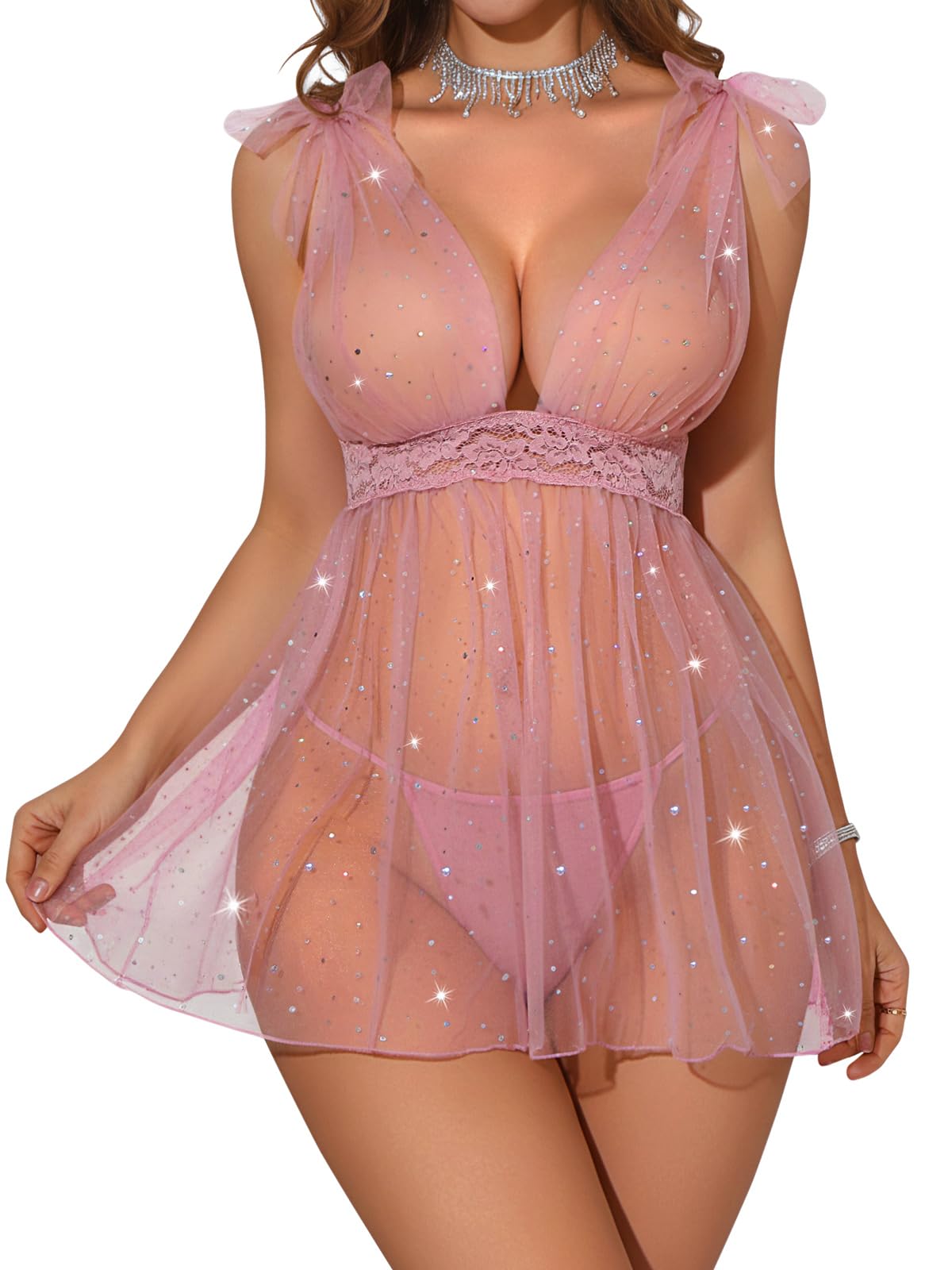
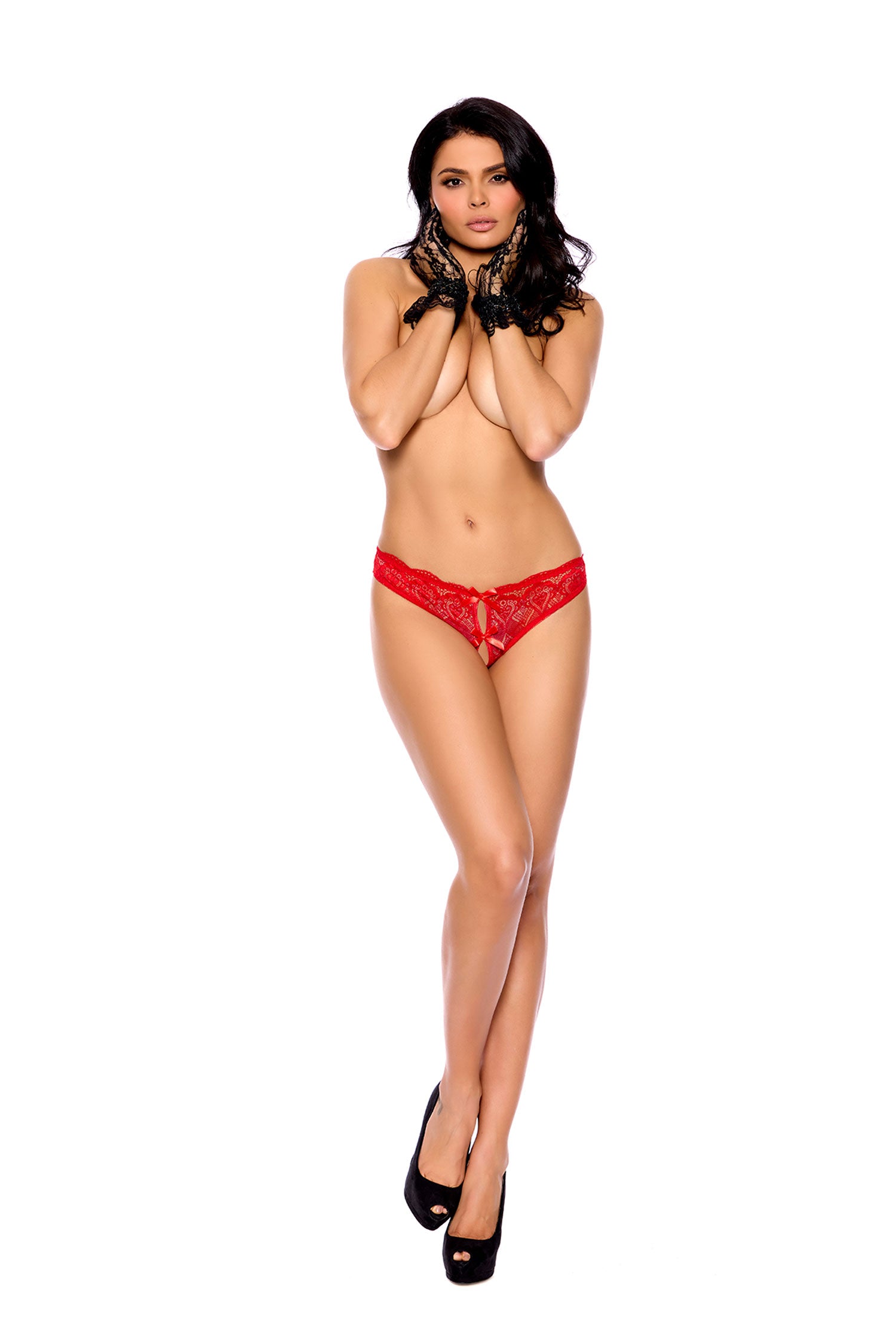
Women who buy lingerie for themselves often describe a completely different experience than women buying it primarily for someone else's reaction. The focus shifts from external validation to internal experience. The lingerie becomes a tool for confidence rather than a performance for approval.
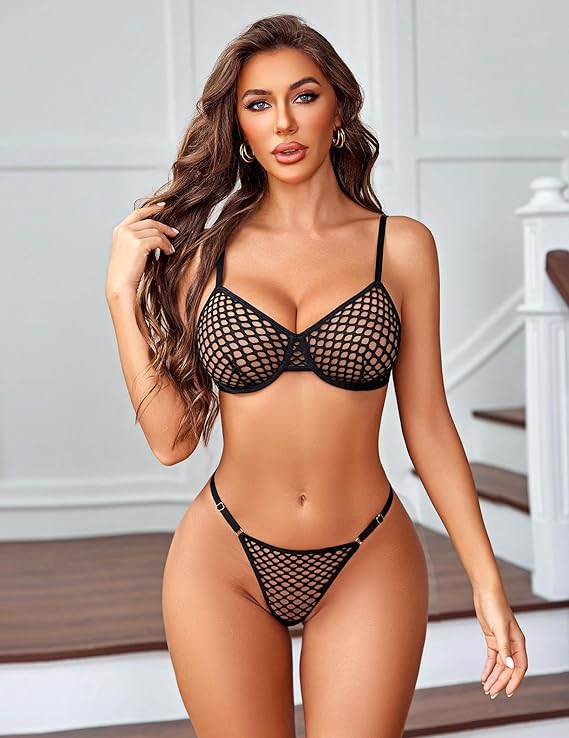
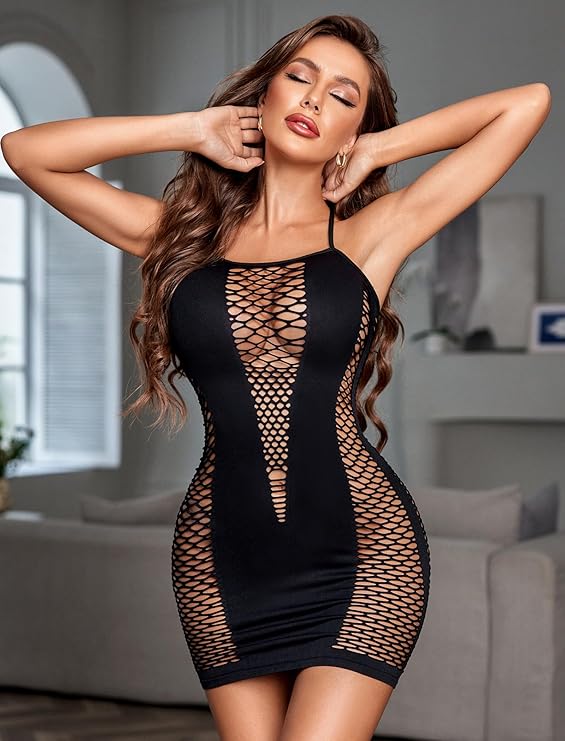
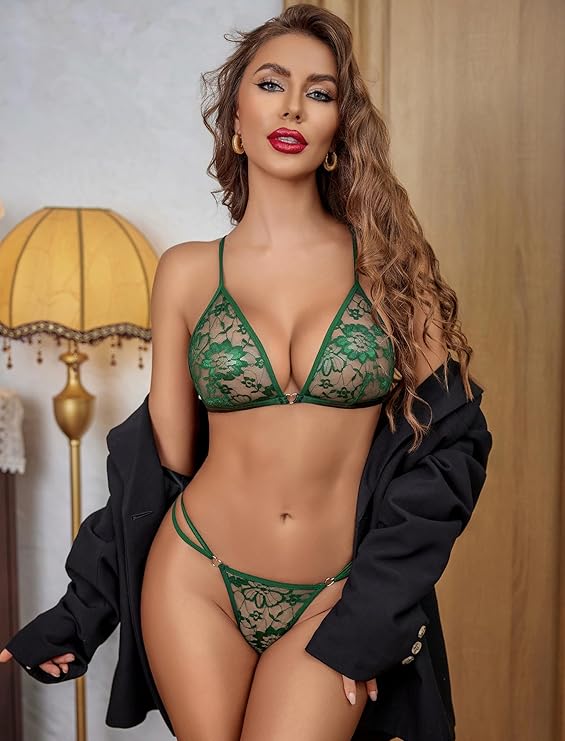
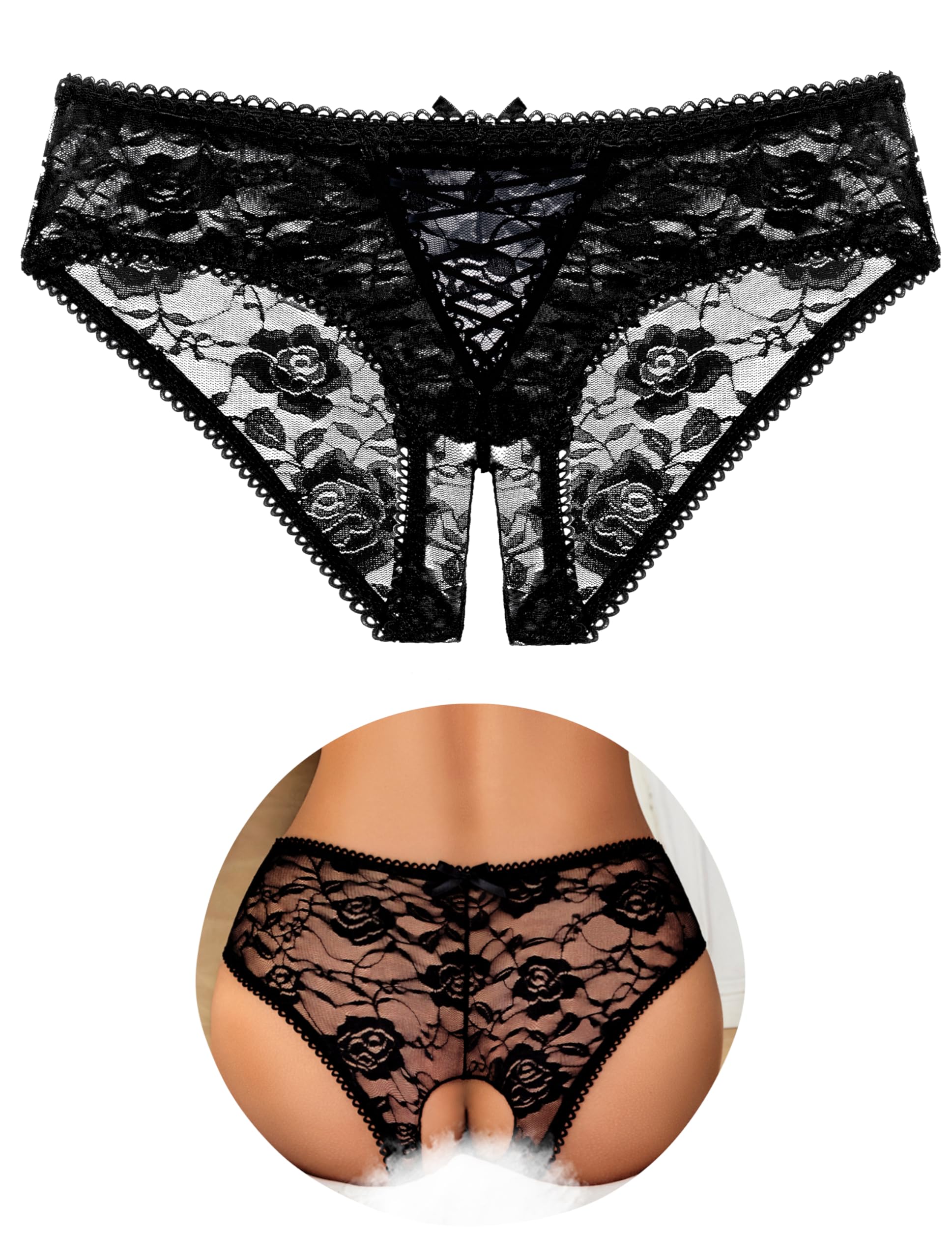
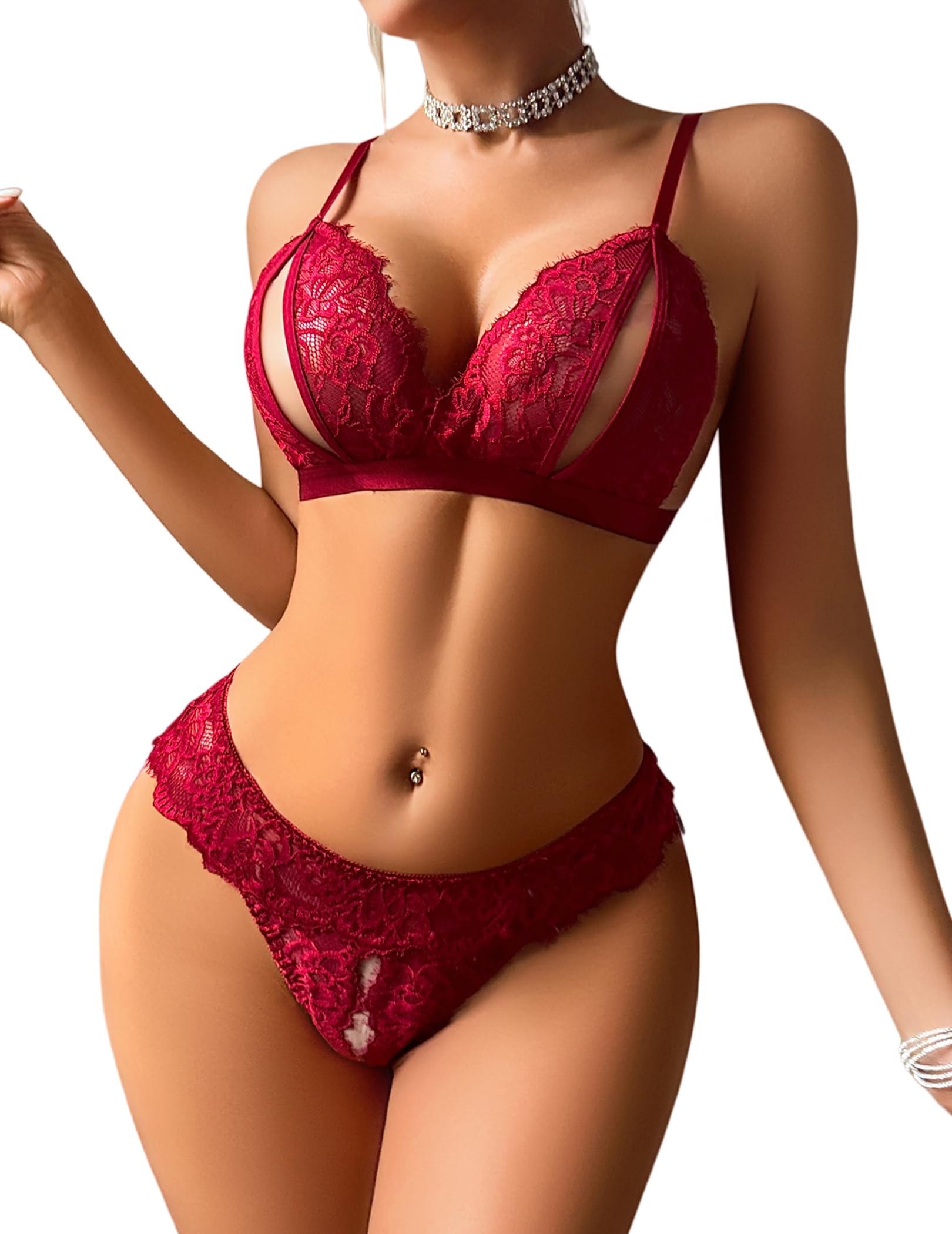
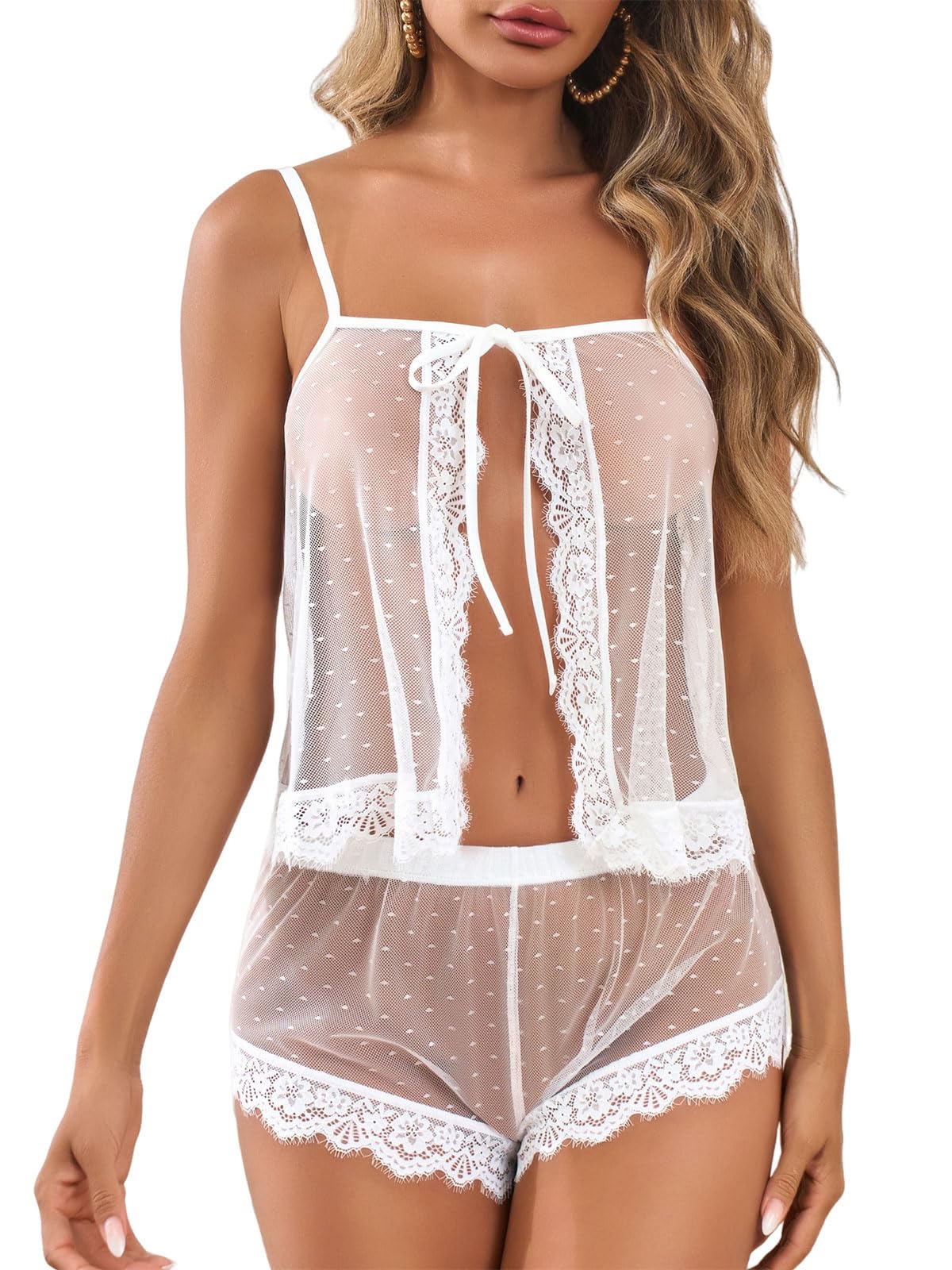
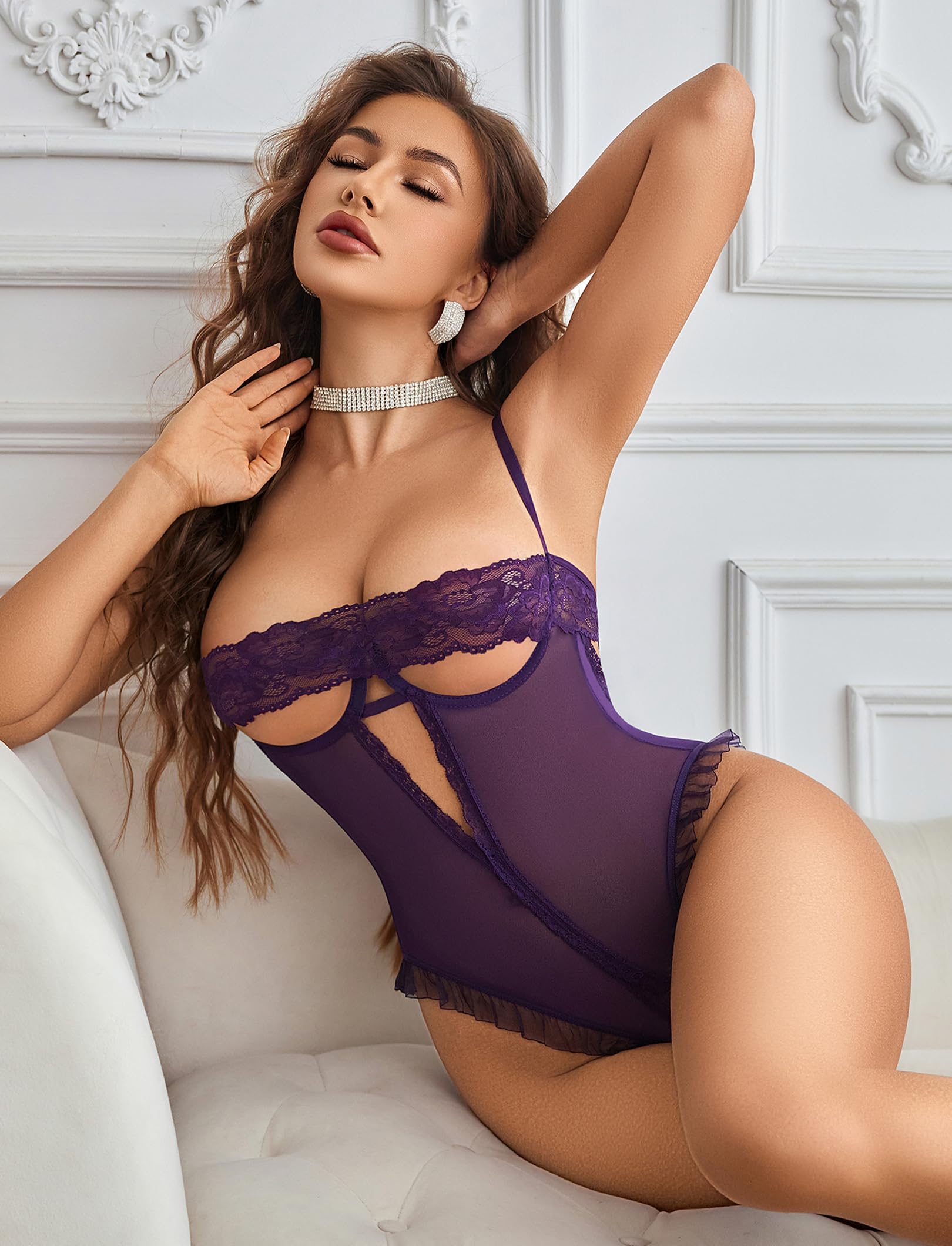
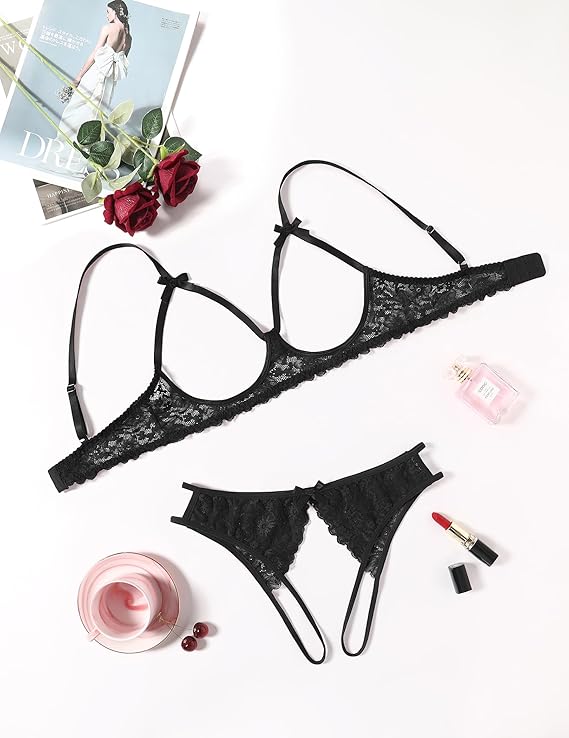
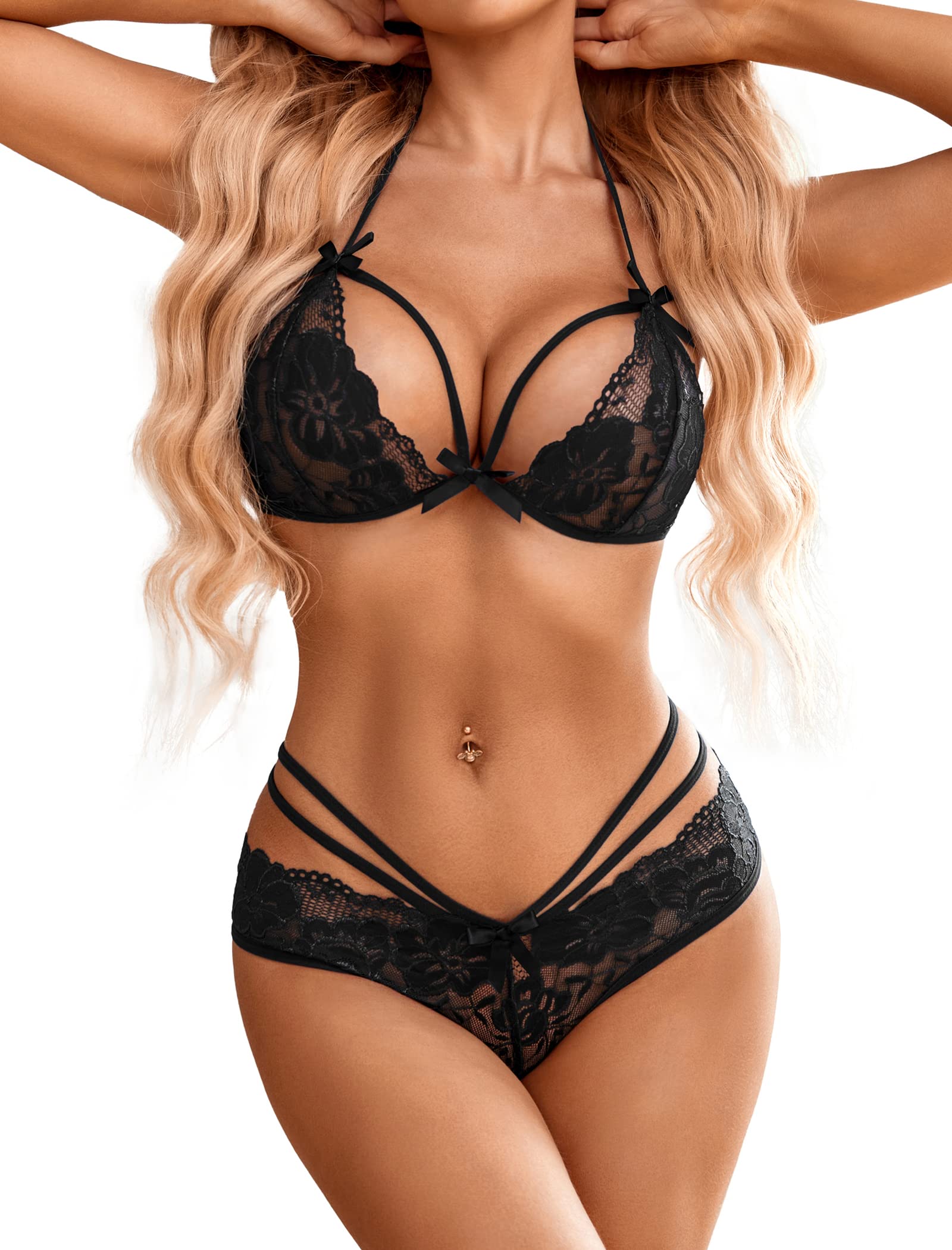
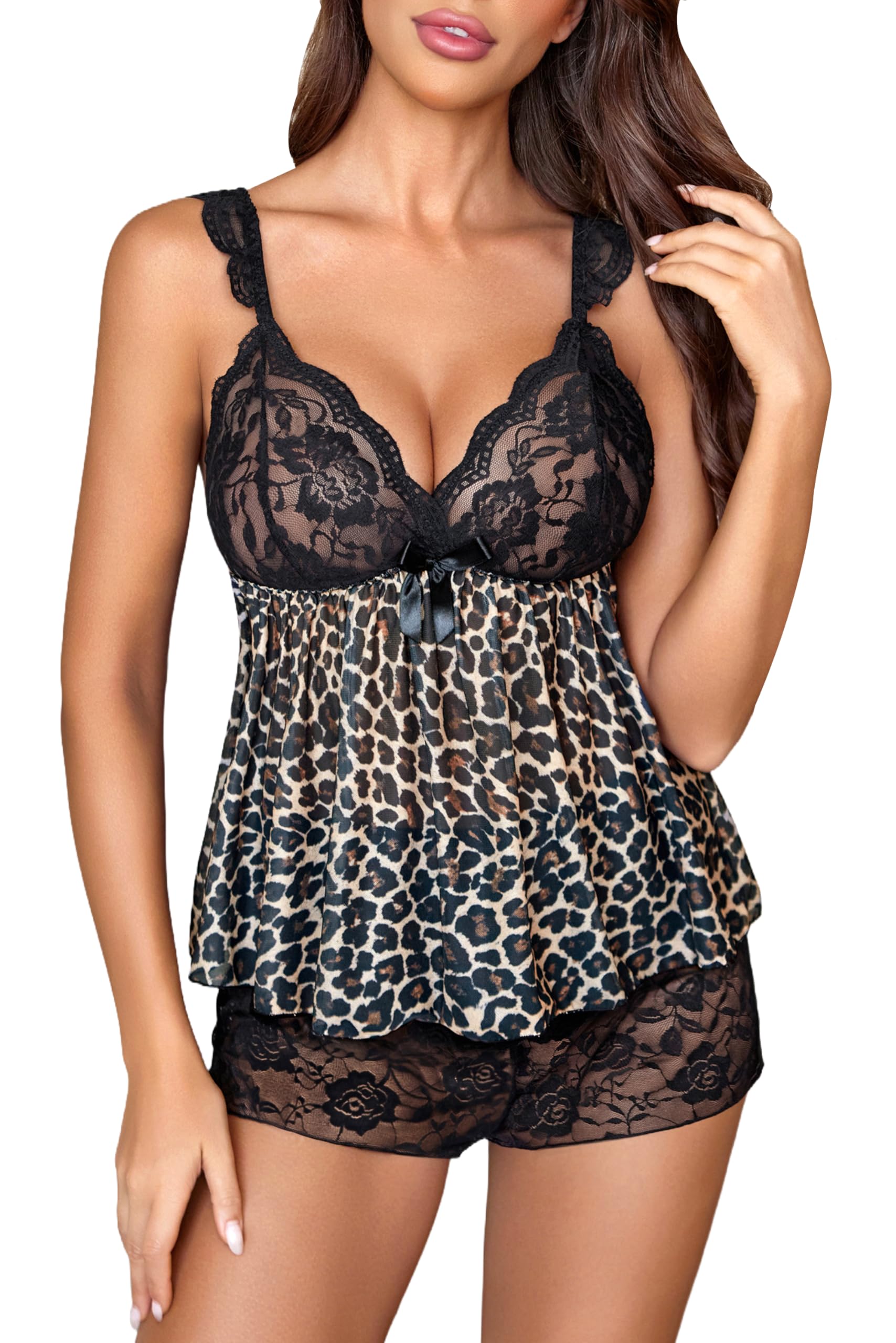
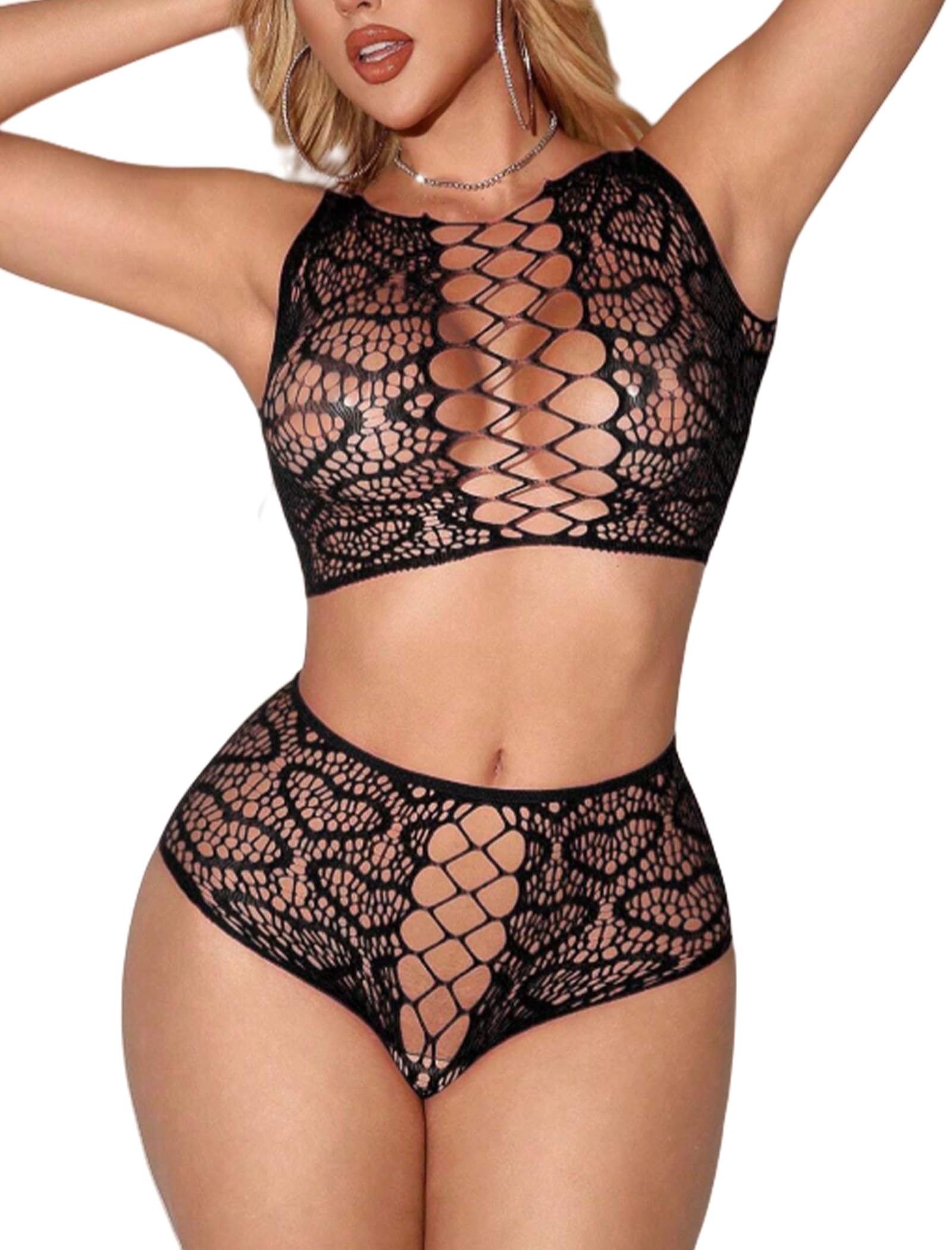
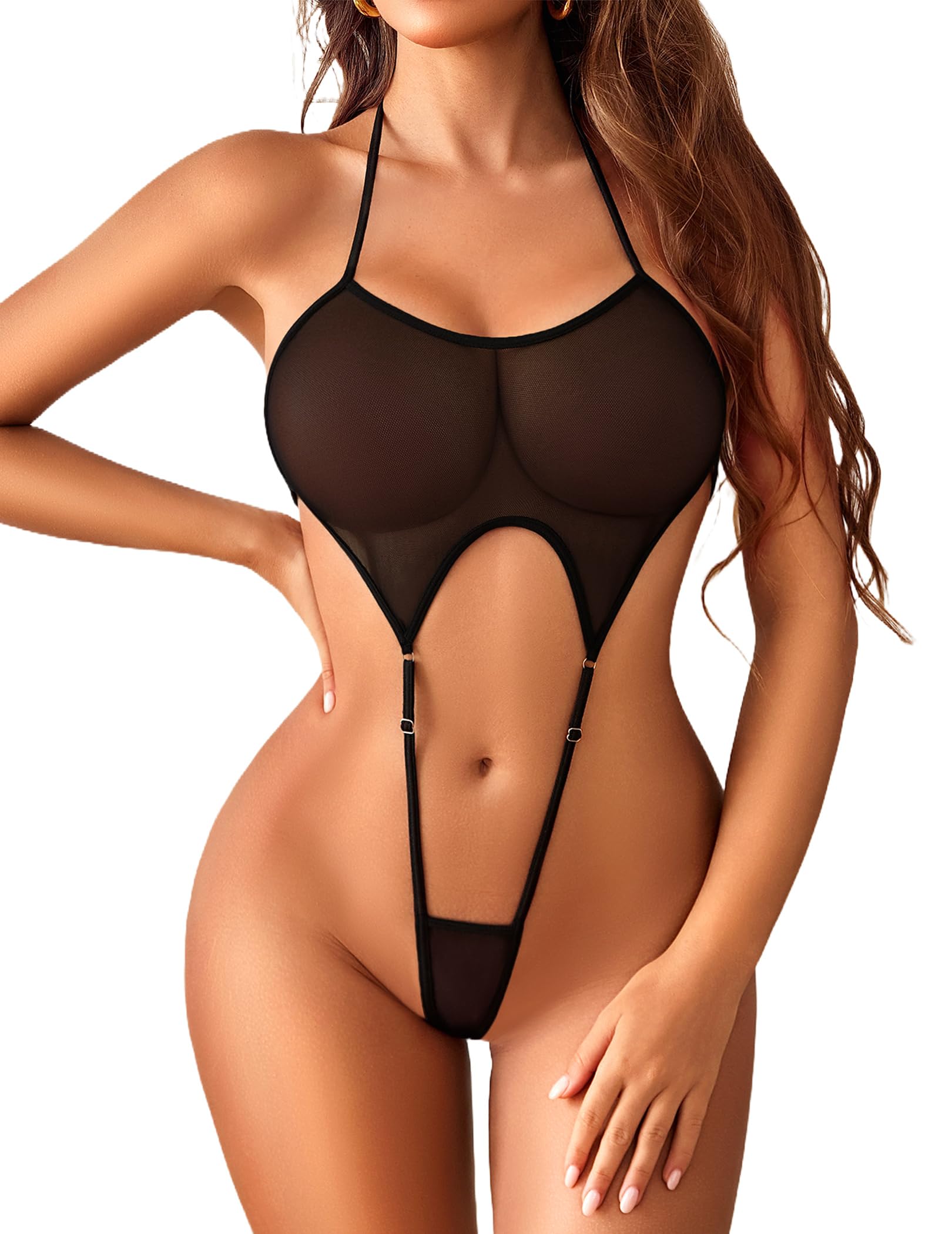
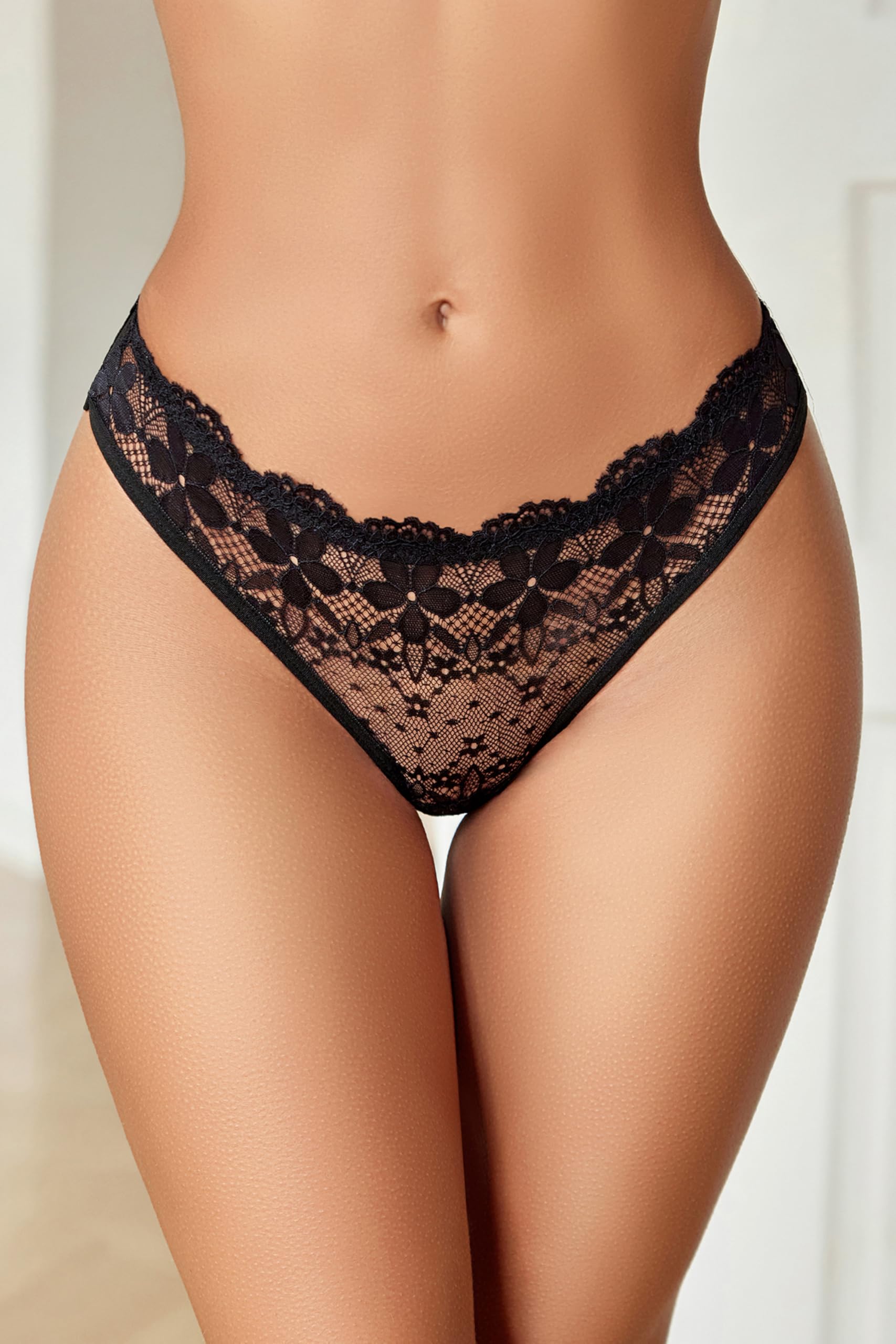
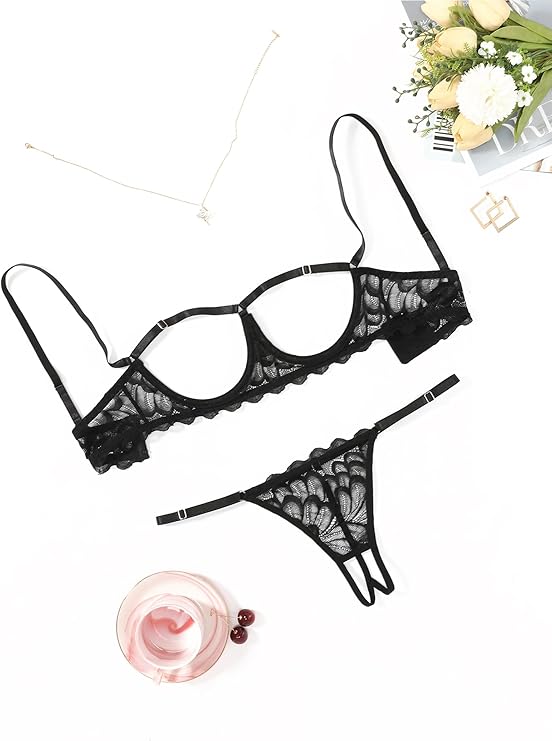
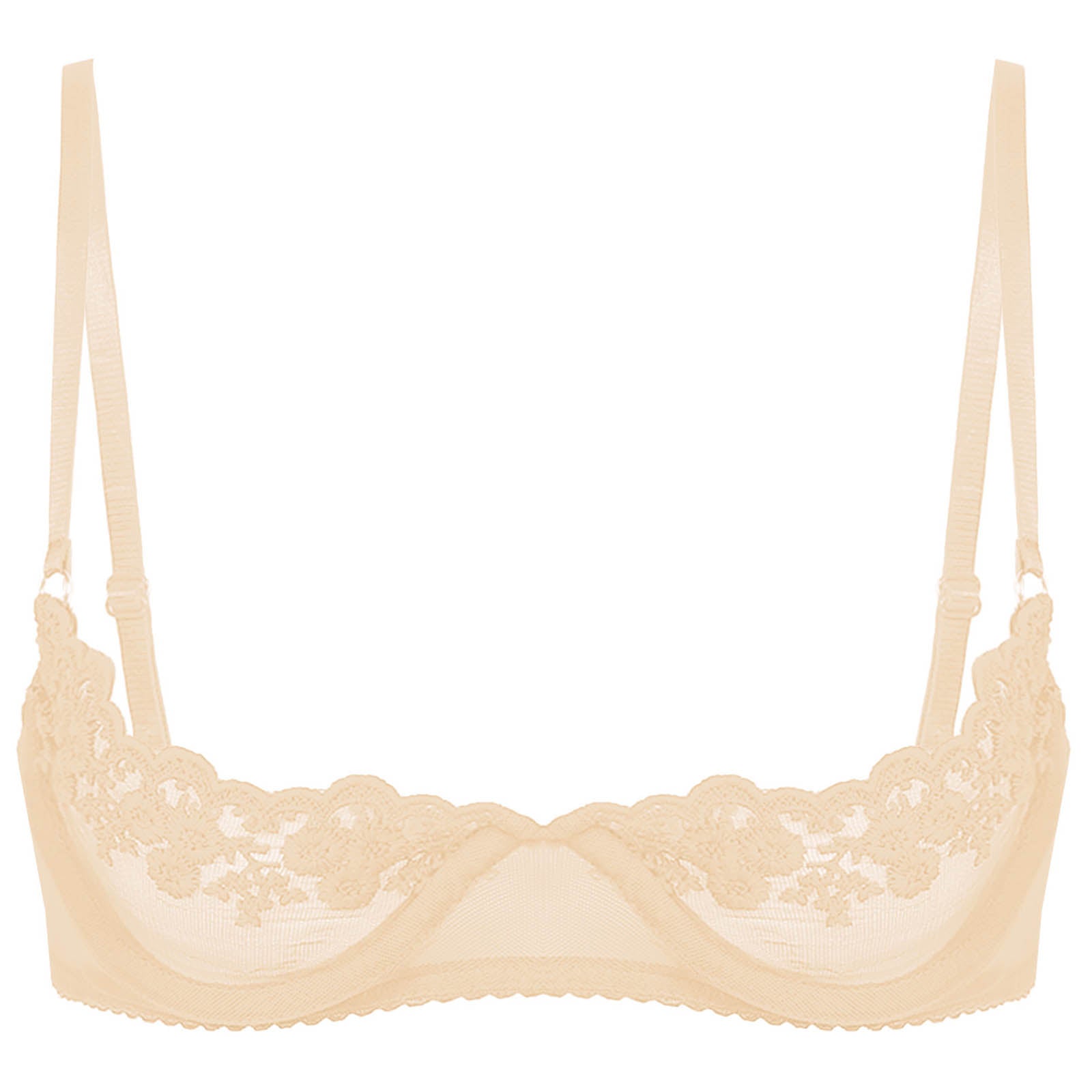
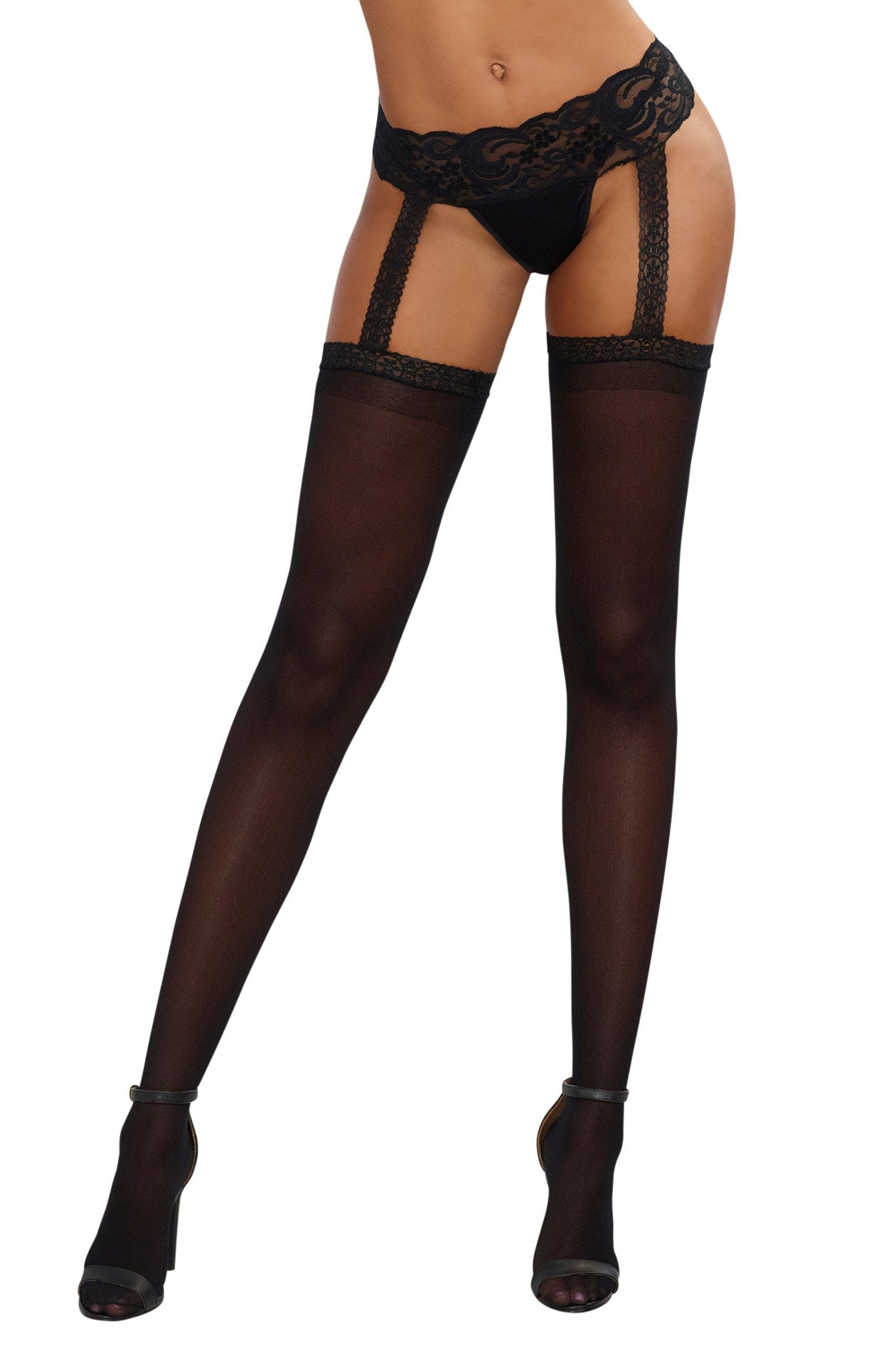
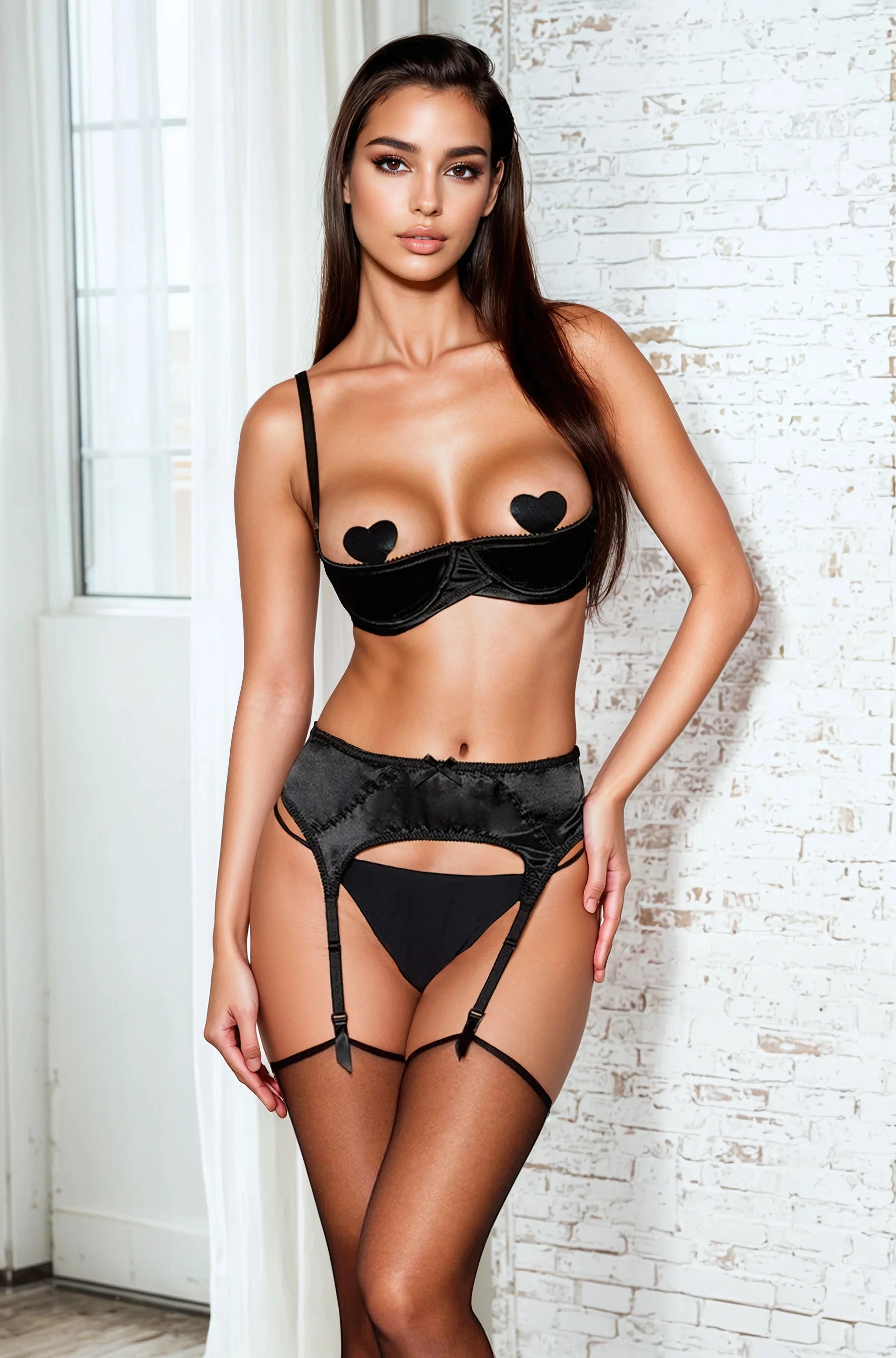
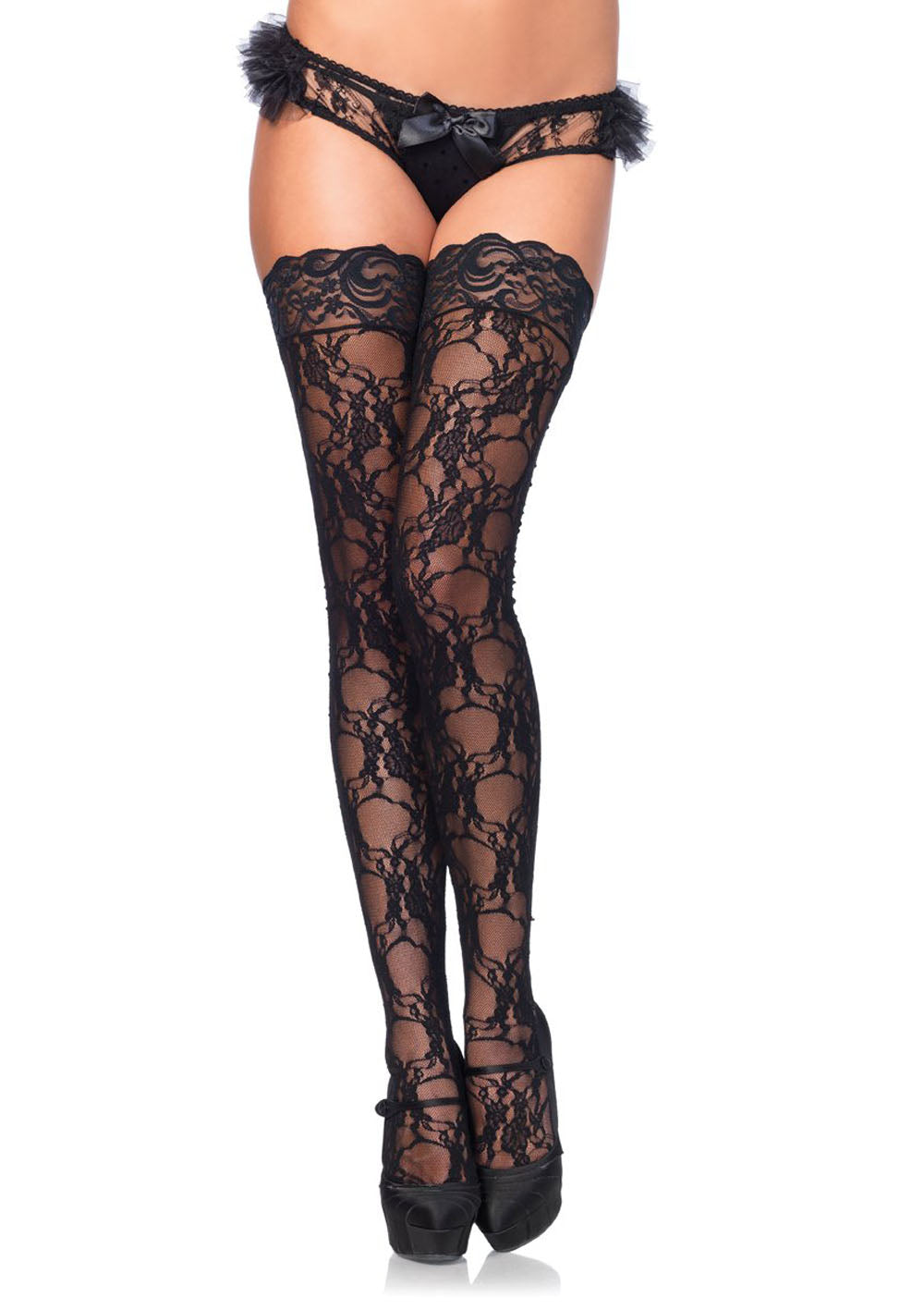
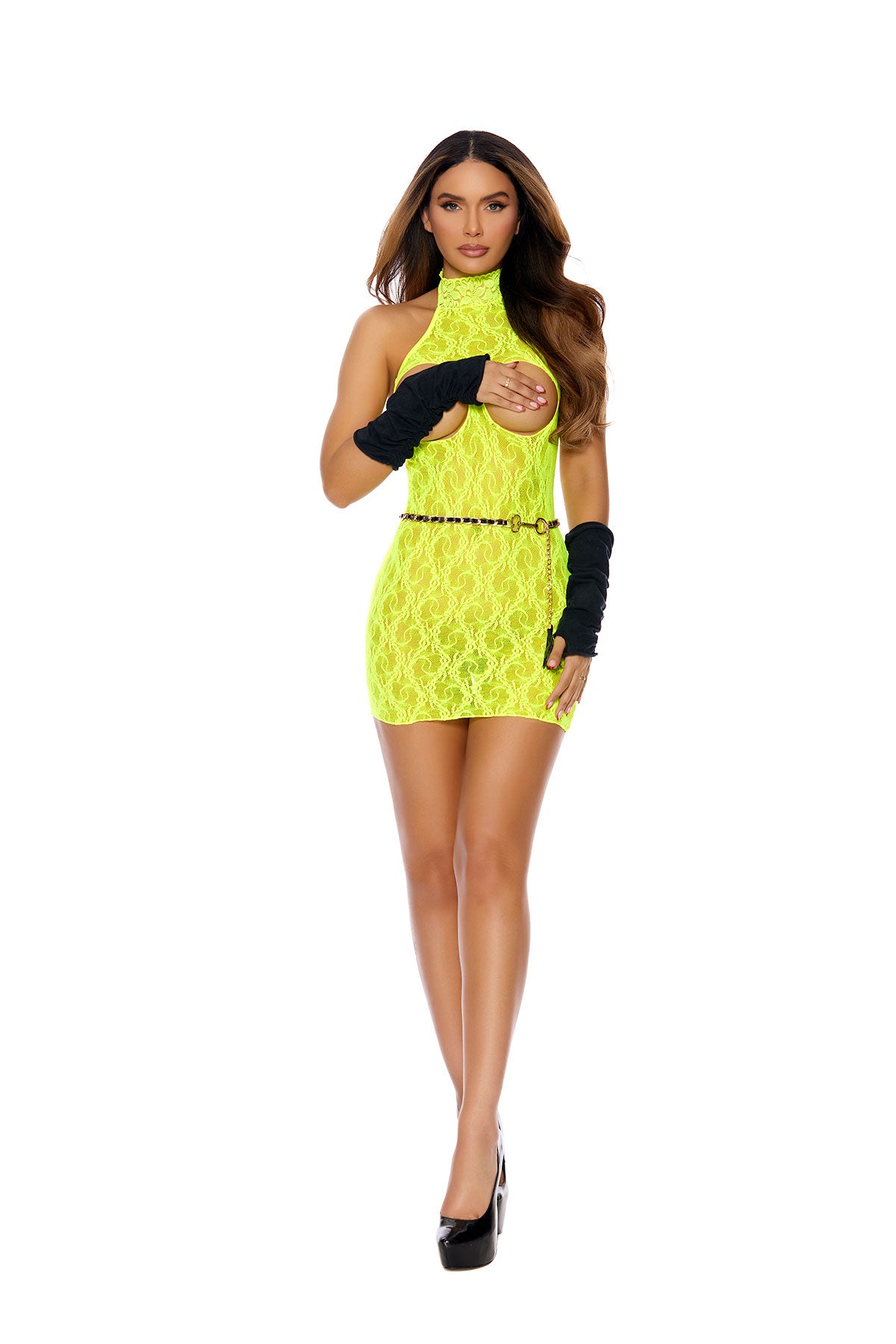
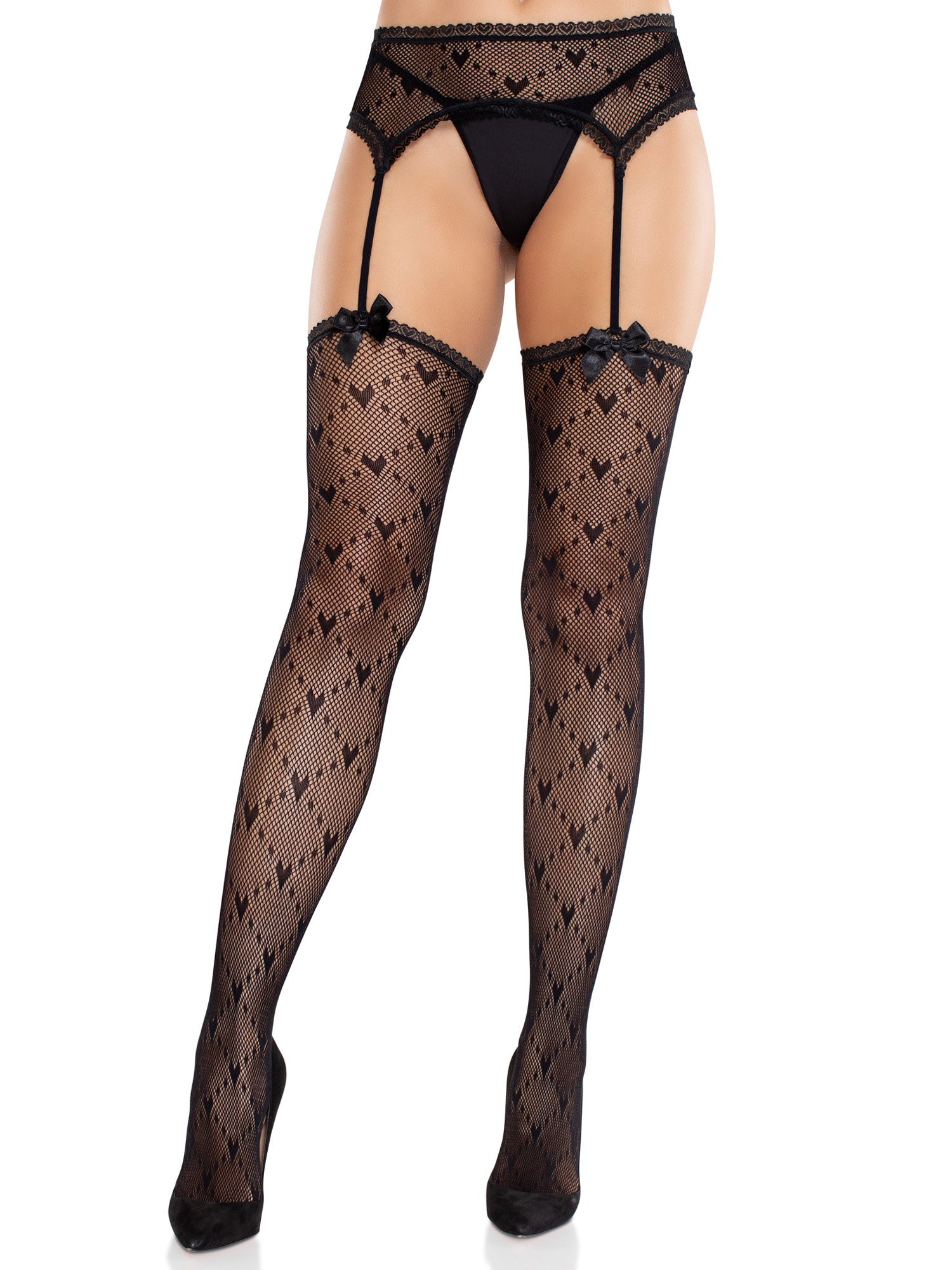
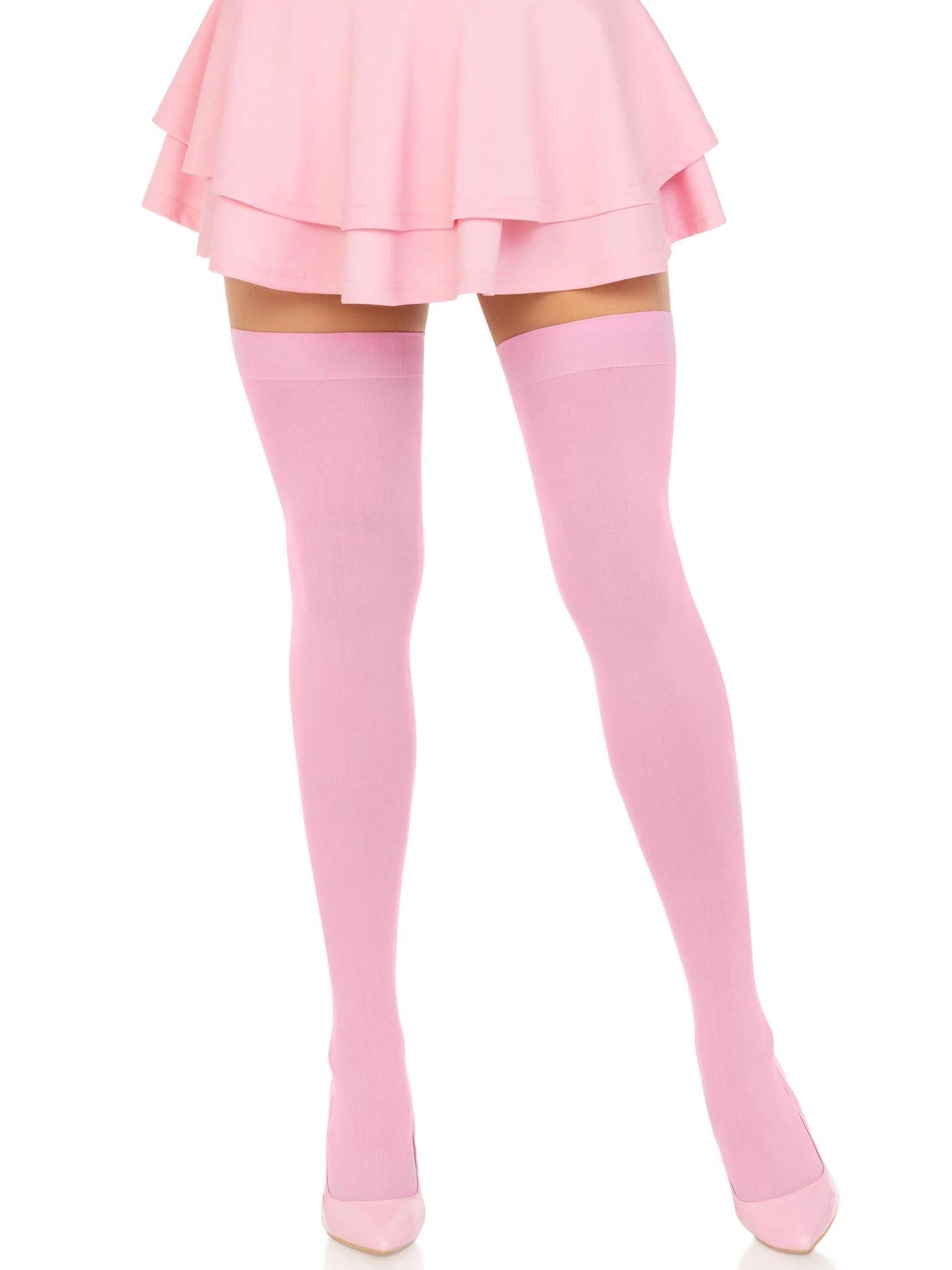
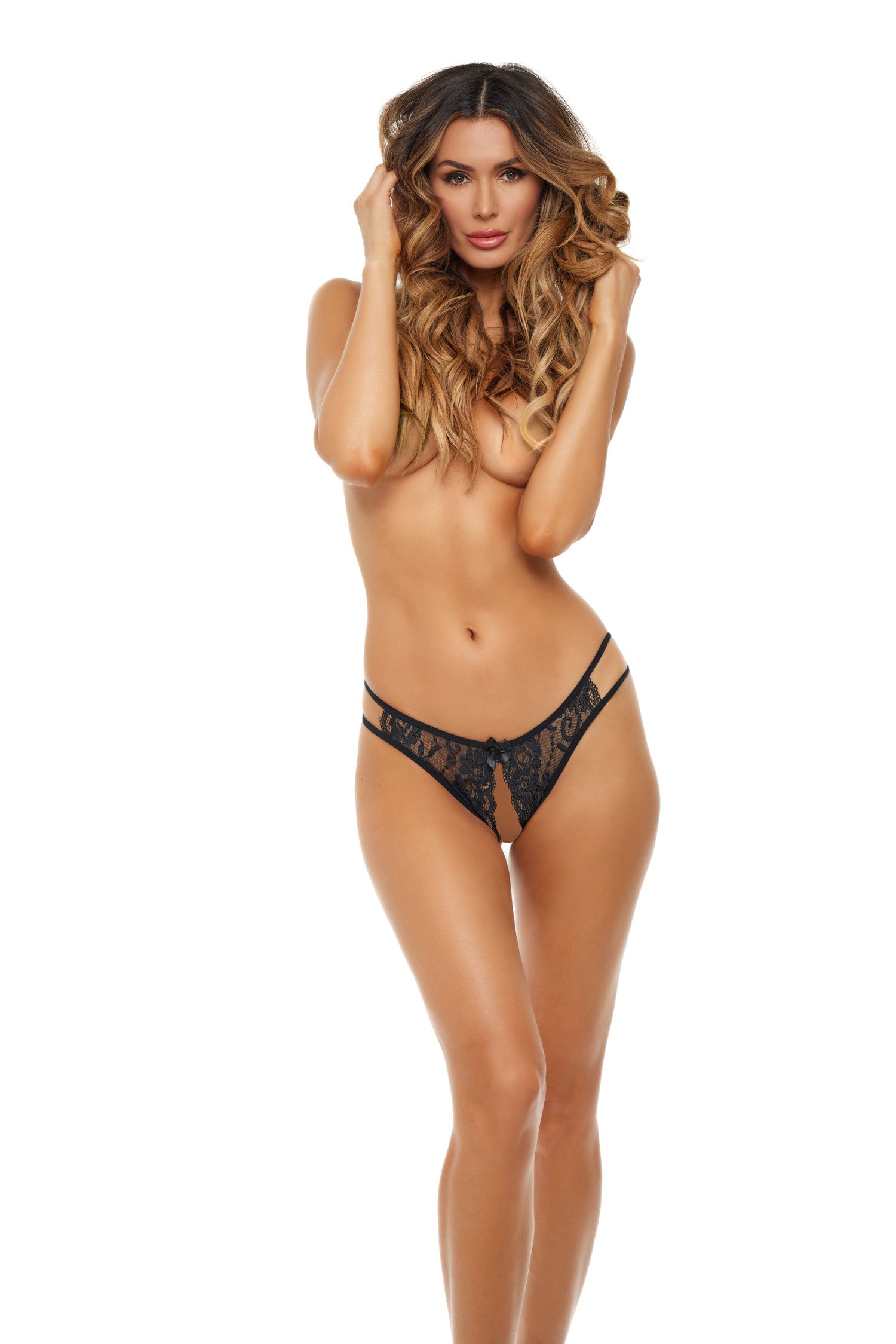
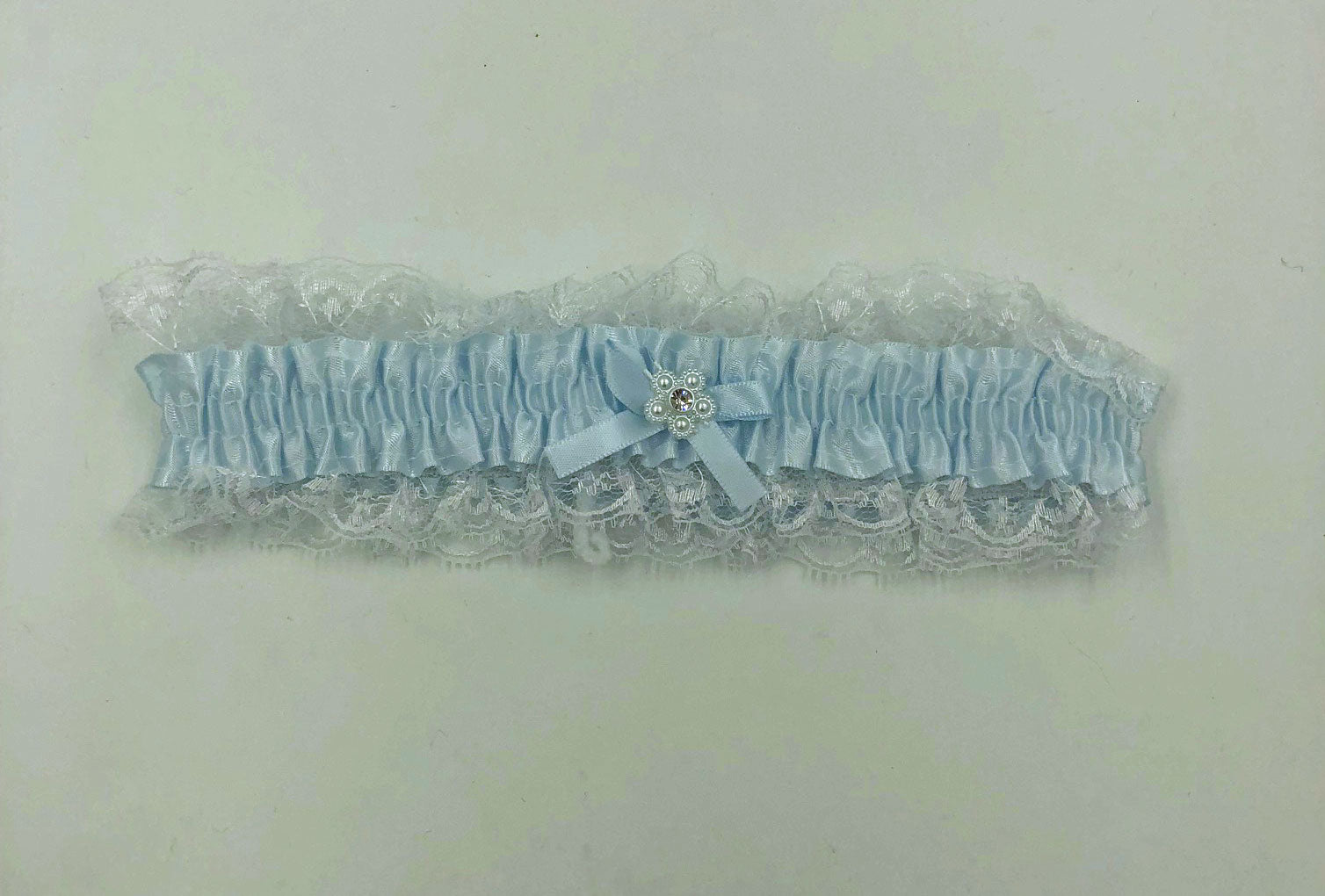
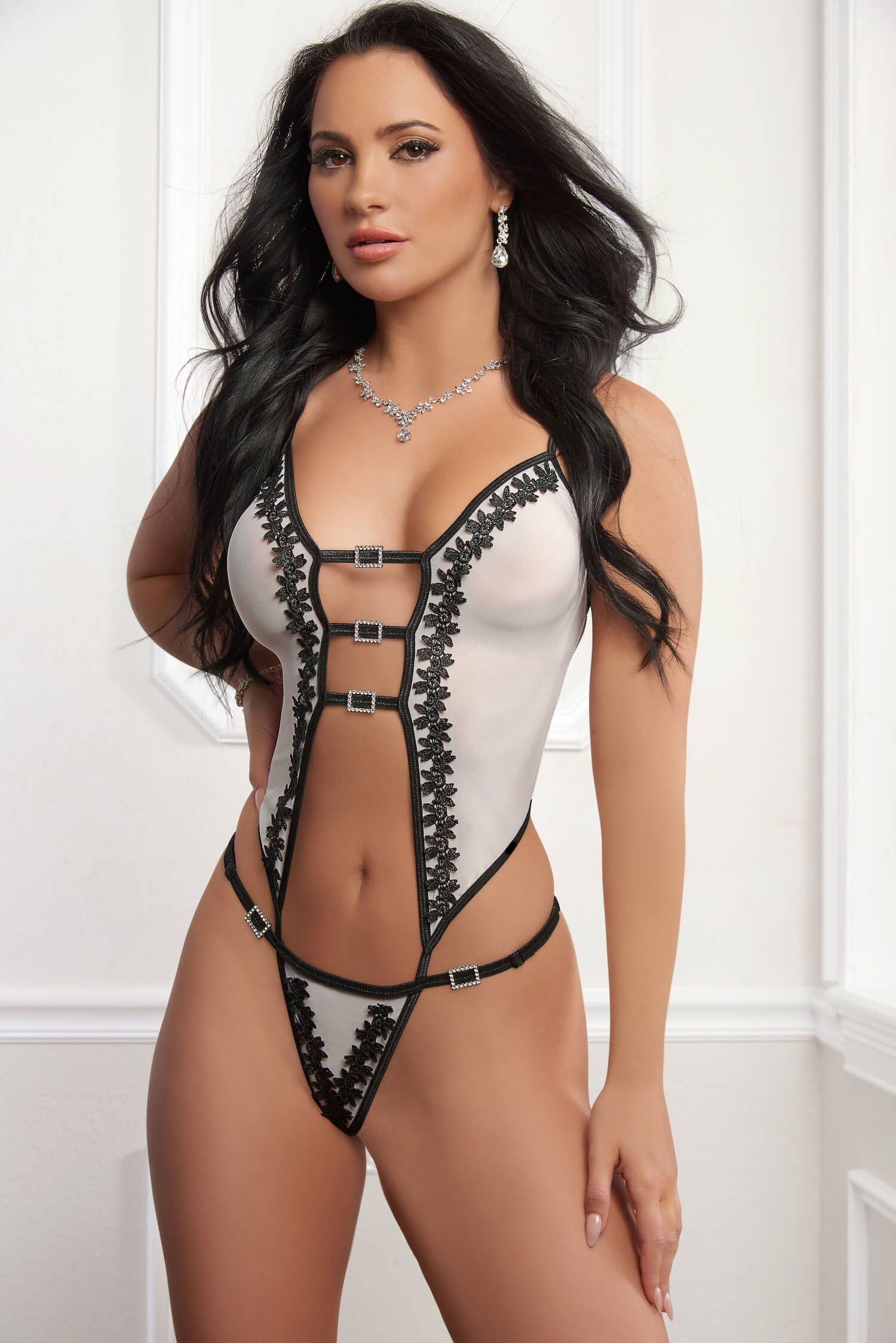
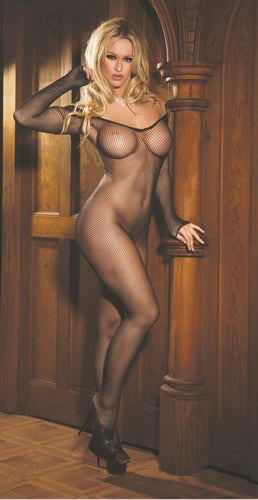
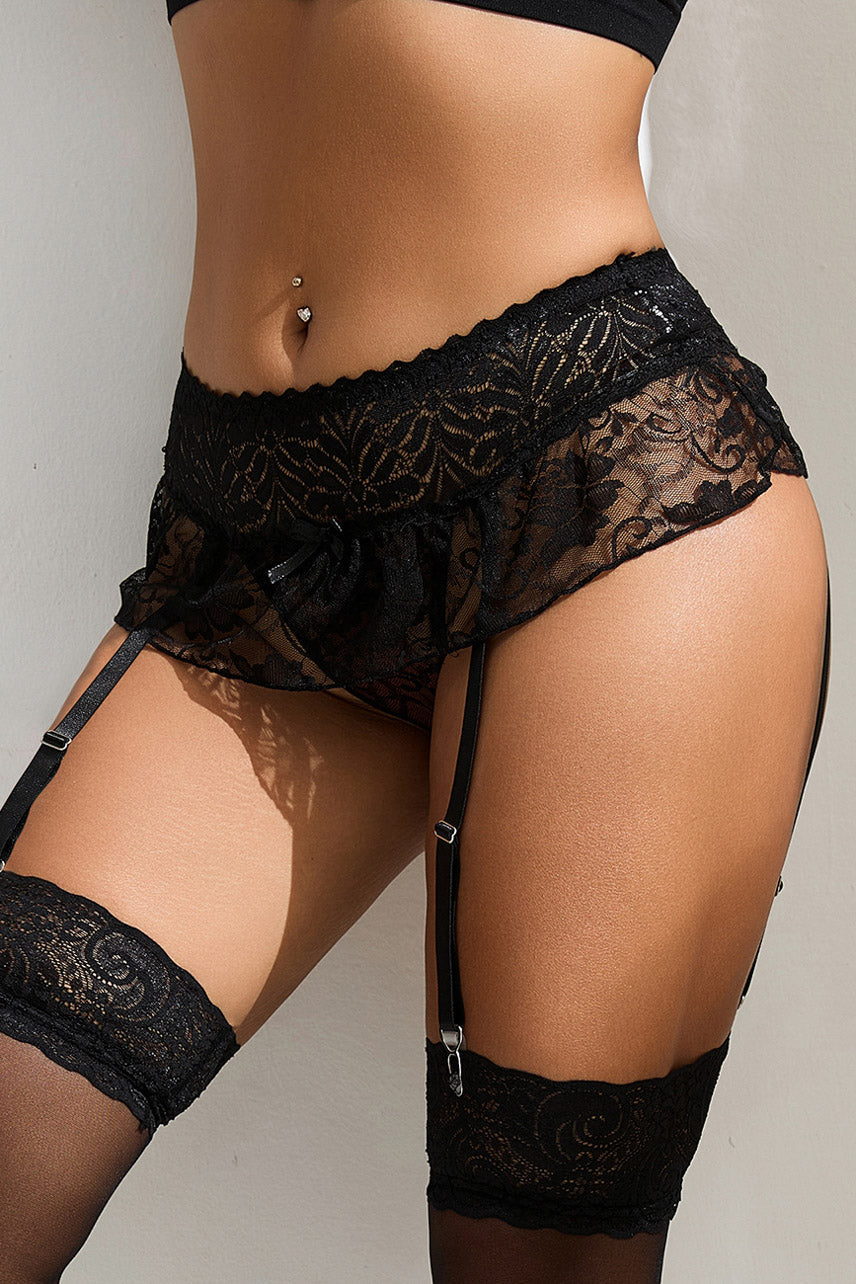
A matching set creates intention. Black lace creates presence. A beautifully designed bodysuit creates structure and confidence. These pieces change how a woman feels long before they change how anyone else sees her.
That is why private confidence tends to be more durable than public confidence. Public confidence rises and falls based on reactions. Private confidence is built from choices.
Dress For The Woman In The Mirror
Because she's the one you'll spend the most time with.
One of the most surprising effects of dressing for yourself is that other people often respond positively. Not because the clothes changed. Because the energy changed. Confidence alters posture. Presence. Decision-making. Communication. The woman who dresses for herself tends to move through the world differently than the woman constantly seeking approval.
She becomes more relaxed. More authentic. More consistent. Ironically, the less she chases attention, the more compelling she often becomes.
This is why dressing for yourself is not really about fashion at all.
It is about identity.
It is about deciding that your preferences matter. Your comfort matters. Your confidence matters. Your relationship with yourself matters.
Because when clothing becomes an expression of identity rather than a request for approval, something powerful happens.
You stop asking the world who you should be.
And start becoming the person you already are.