 ⭐ ⭐ ⭐ ⭐ ⭐
The Science of Anticipation
Why mystery often creates more attraction than revealing everything at once.
Attraction lives in the space between what is seen and what is imagined.
Anticipation, mystery, and suggestion have always been more powerful than certainty.
Most people think attraction is about what they see.
In reality, attraction is often about what they haven't seen yet.
Human beings are naturally curious creatures. When the brain encounters uncertainty, it pays closer attention. It wants answers. It wants resolution.
This is why mystery has remained one of the most powerful forces in attraction throughout history.
The most memorable looks rarely reveal everything immediately. They invite imagination into the experience.
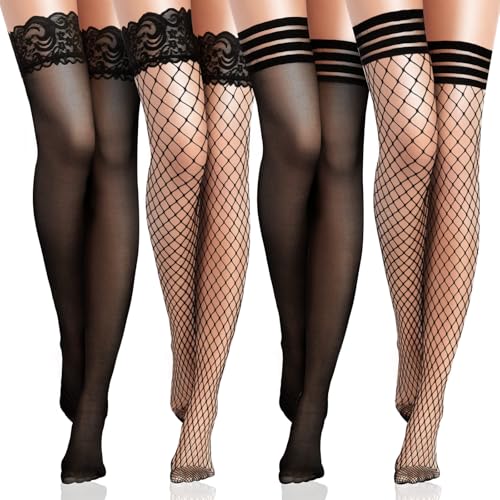
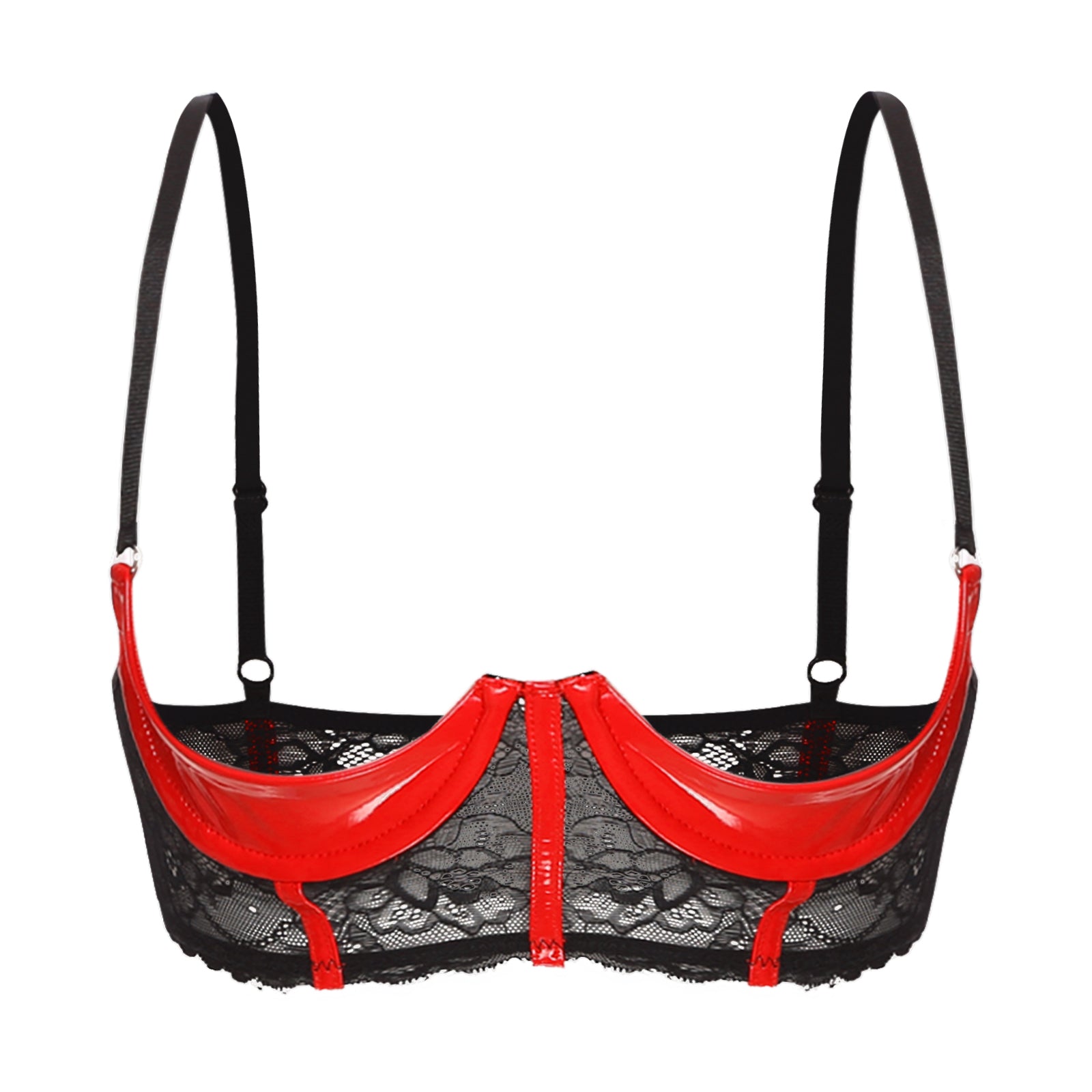
A flash of black lace beneath a blazer.
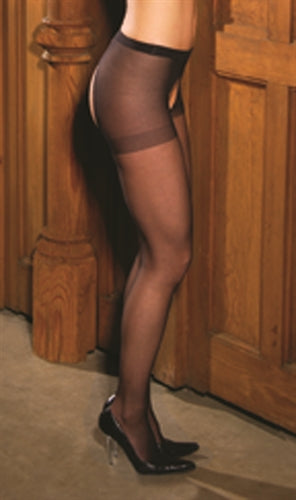
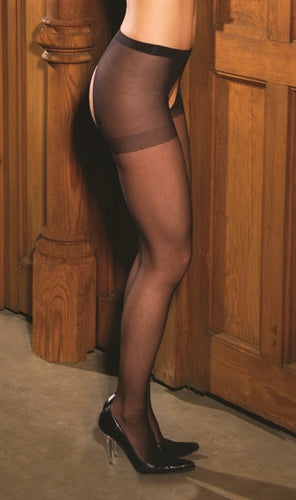
A sheer detail that reveals just enough.
A bodysuit that hints rather than announces.
The anticipation becomes part of the attraction.
Why Anticipation Works
- Mystery creates curiosity
- Curiosity increases attention
- Attention strengthens memory
- Imagination amplifies attraction
- Confidence makes everything more powerful
This principle explains why black lace remains timeless.
Black lace is elegant without being obvious. It reveals while still concealing. It creates contrast between softness and mystery.
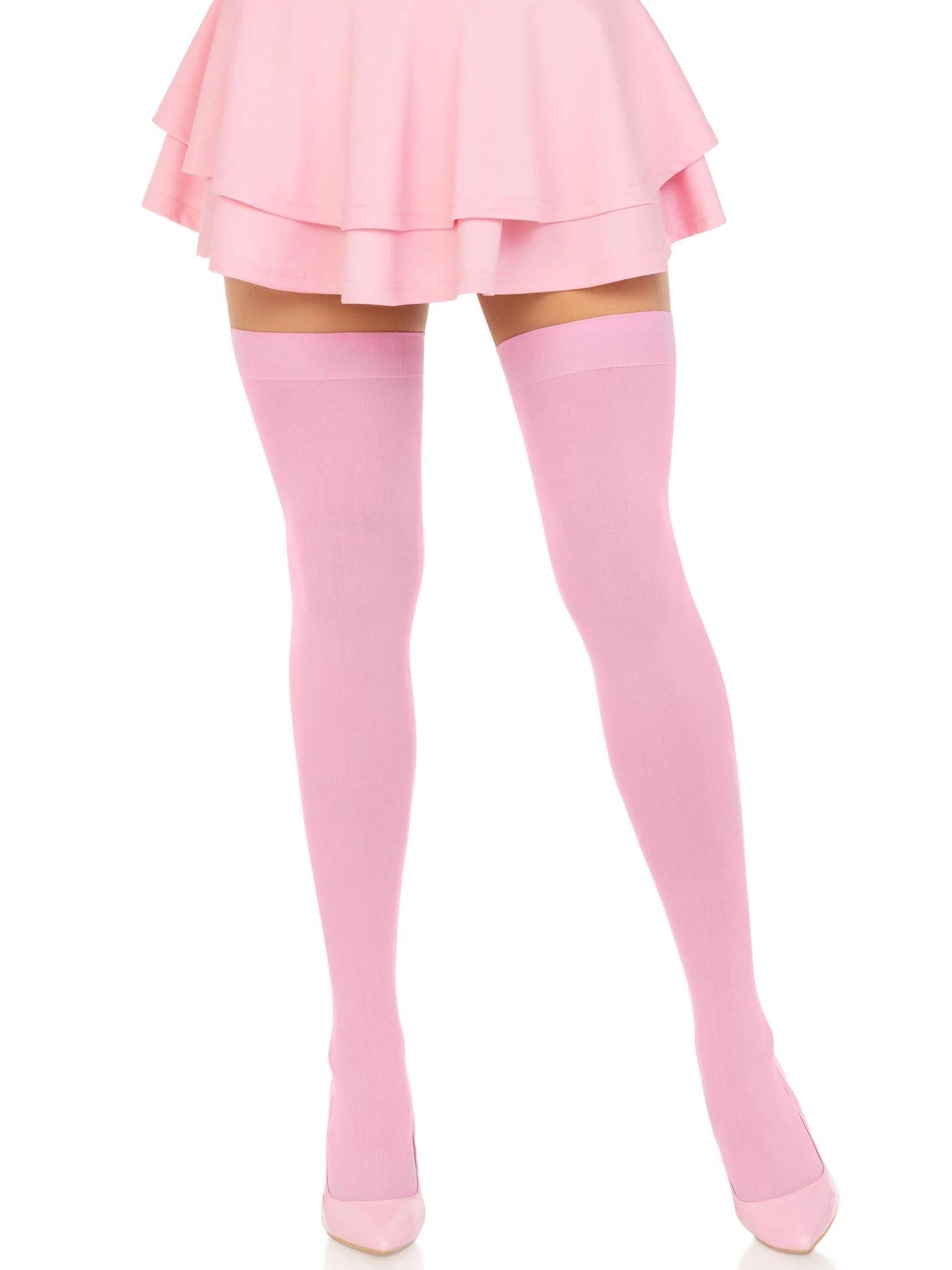
The same is true for sheer lingerie, bodysuits, matching sets, and subtle details.
They leave room for imagination.
Leave Something To The Imagination
Discover pieces designed around confidence, mystery, and anticipation.
Modern attraction trends like siren energy, statement lingerie, and main character dressing all rely on the same principle.
They create presence without needing to demand attention.
The goal is not to reveal everything.
The goal is to create a feeling.
Because the human brain remembers emotional tension more than certainty.
That tension becomes anticipation.
Anticipation becomes attraction.
And attraction becomes memory.
The most powerful lingerie does not simply change how someone looks.
It changes what people imagine.
That is the science of anticipation.